How to Merchandise a Case of Secondhand Dresses for Maximum Profit
- Sort dresses into distinct aesthetic categories like Coquette or Coastal Grandmother to target specific buyer personas.
- Implement a three-tier pricing model to balance quick volume sales with high-margin anchor pieces.
- Prioritize steaming and professional photography to elevate the perceived value of bulk secondhand inventory.
- Rotate featured inventory every 14 days to maintain algorithmic relevance on platforms like Poshmark and Depop.
- Monitor sell-through rates weekly to adjust markdown schedules for stagnant dress styles.
Successful merchandising of a case of secondhand dresses requires categorizing inventory by aesthetic trend, brand tiering, and color story to maximize visual appeal and conversion rates. When you receive a bulk shipment from TVF Women’s, you are not just looking at units; you are looking at potential margin. The goal is to move beyond 'listing items' and begin building a cohesive digital or physical storefront that drives multi-item bundles and repeat customers.
How do you sort a wholesale case of secondhand dresses?
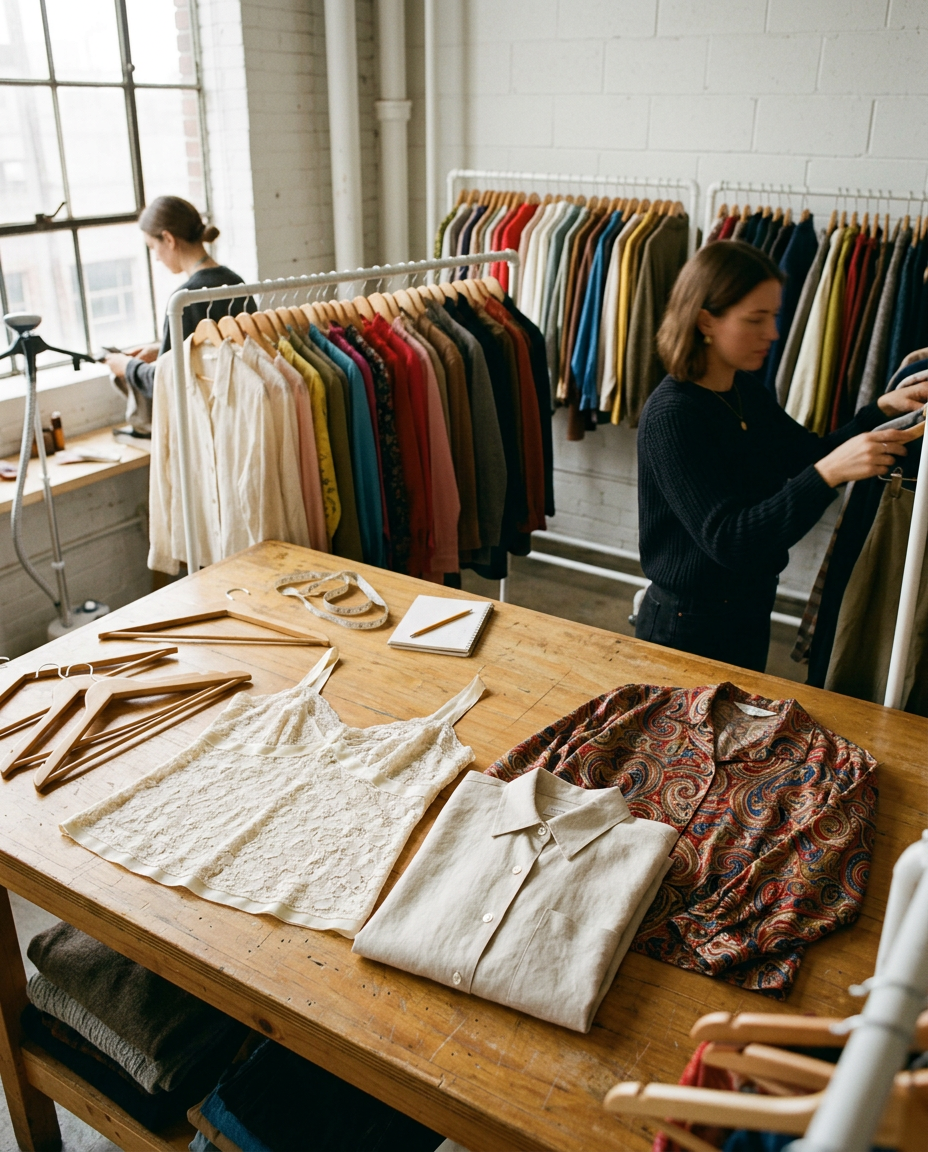
The first 60 minutes after unboxing are the most critical for your sell-through rate. You must immediately categorize the inventory to understand your stock composition. I use a strict sorting protocol that separates the 'Quick Flips' from the 'High-Margin Grails.'
Grouping by Aesthetic and Brand
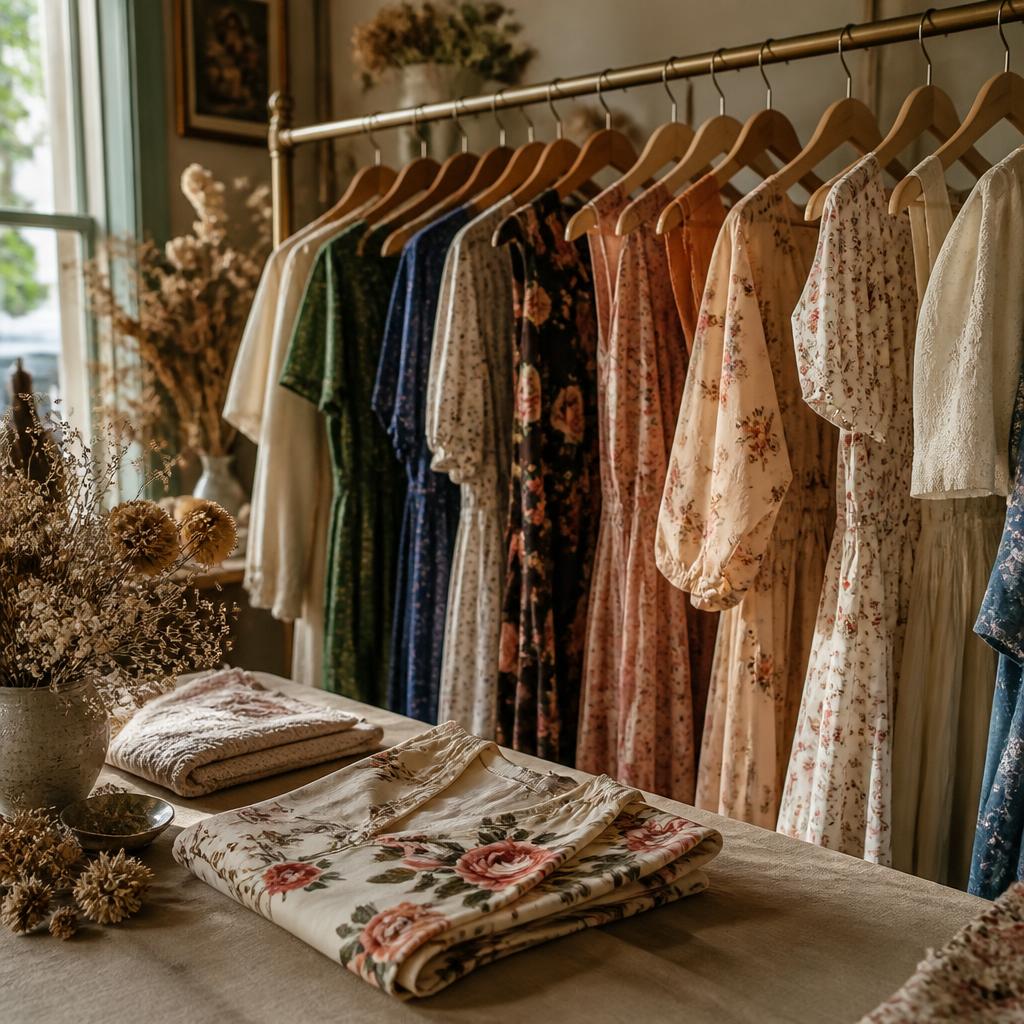
Identify the core aesthetics present in the case. Look for labels like Anthropologie, Free People, and Zara, but also keep an eye out for unbranded Y2K pieces or true vintage items. Grouping dresses into recognizable trends—such as the Coquette aesthetic, Coastal Grandmother, or 900s Grunge—allows you to market to specific subcultures on platforms like Depop and TikTok.
The Three-Tier Sorting System
- Tier 1: Anchor Pieces. These are the high-demand brands with high resale value (e.g., Reformation, Selkie, or luxury labels). They draw traffic to your shop.
- Tier 2: Mid-Range Staples. Brands like J.Crew, Madewell, or quality house brands from Nordstrom. These provide steady cash flow.
- Tier 3: Trend-Driven Bread and Butter. Fast fashion or unbranded items that fit a specific look like Cottagecore. These are priced for high volume and bundles.
What is the best pricing strategy for secondhand dresses?
Profitability in resale is won in the spread between your cost of goods sold (COGS) and your average sale price (ASP). If your case cost breaks down to $8 per dress, your merchandising must support an ASP of at least $32 to cover shipping, platform fees, and labor.
Implementing the Rule of Three
I recommend a tiered pricing ratio to ensure liquidity. In a typical case of 50 dresses, you should aim for the following distribution:
- Top 10%: Price at $75+ (High-end brands or rare vintage).
- Middle 60%: Price at $35 - $60 (Solid mall brands and durable styles).
- Lower 30%: Price at $20 - $30 (High-turnover basics and simpler silhouettes).
How to create visual cohesion in a secondhand boutique?
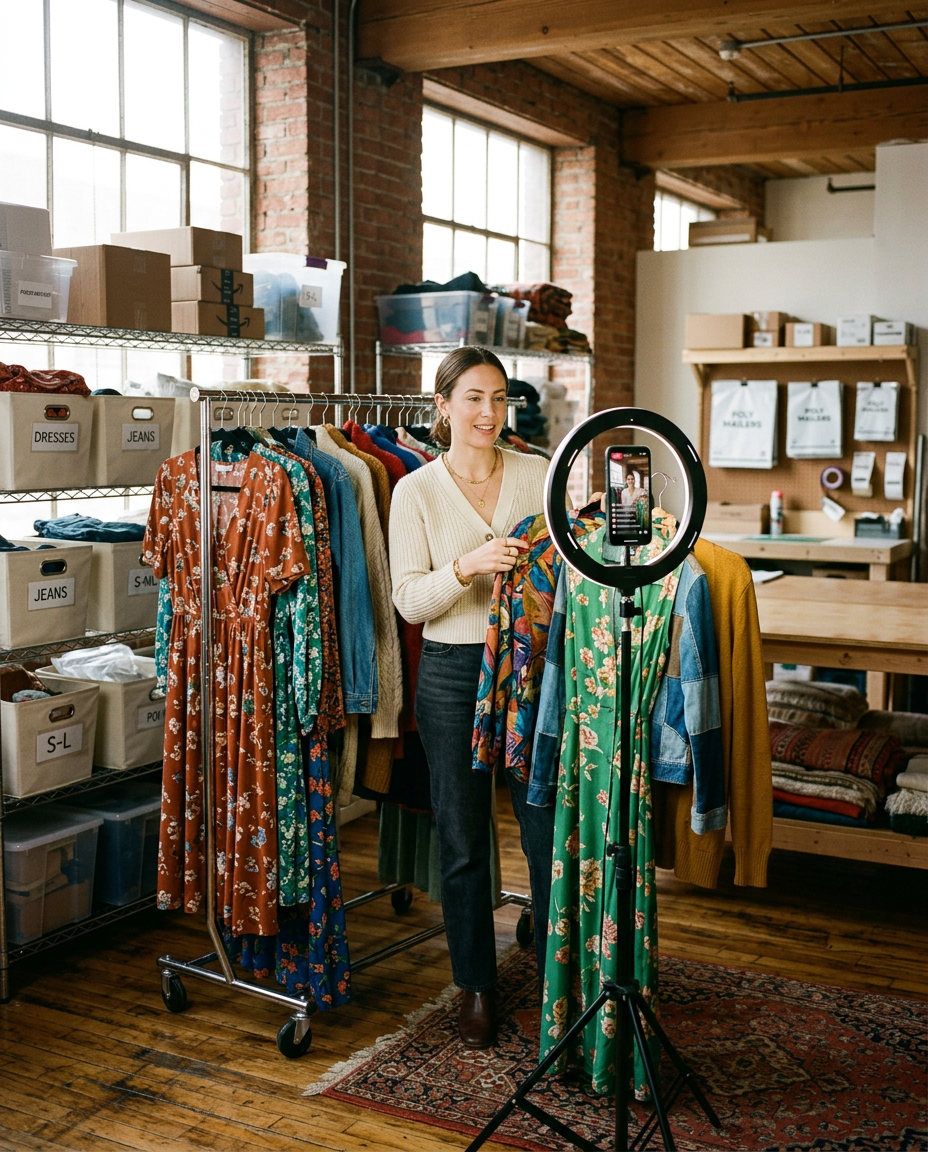
Visual merchandising is the difference between a thrift store and a curated boutique. On Poshmark or Whatnot, your first photo or your live-stream backdrop dictates your premium. Use a consistent color story to help buyers see how items work together.
Steps for Visual Prep
- Professional Steaming: Never photograph a wrinkled dress. It reduces the perceived value by 40% immediately.
- Color Blocking: Organize your listings or rack by color. A gradient from whites and creams to deep jewel tones creates a psychological 'merchandising halo' effect.
- Style Styling: Pair dresses with relevant accessories like Levi's denim jackets or vintage belts. This encourages the 'bundle' mentality.
Why does sell-through rate matter for dress inventory?
Sell-through rate is the percentage of your inventory sold within a specific period, usually 30 days. In the dress category, seasonality is a major factor. A sleeveless floral dress in July has a much higher velocity than the same dress in November.
Tracking the Numbers
I track my inventory turnover using a simple spreadsheet. If a dress doesn't sell within 45 days, it is time for a strategic markdown or a re-shoot. High-velocity sellers maintain a sell-through rate of 20% to 30% per month. If you are below 10%, your merchandising is likely misaligned with current market trends like the 'office sirens' look or 'dark academia.'
How to market secondhand dresses on social media?
Content is the engine for your inventory. Use short-form video to show the 'movement' of the dresses. Stiff mannequins do not sell dresses as well as a 15-second clip showing how the fabric drapes. Mentioning specific keywords like 'sustainable fashion,' 'preloved style,' and 'curated vintage' helps search engines like Google and TikTok find your shop.
Platform-Specific Tactics
- Poshmark: Share your listings three times daily to stay at the top of brand feeds.
- Whatnot: Bundle lower-tier items from your case for 'mystery box' starts to clear volume.
- Instagram: Use the 'outfit of the day' format to show how to style a Tier 2 dress with Tier 1 accessories.
What brands have the highest sell-through for secondhand dresses?+
Brands like Anthropologie, Free People, and Reformation consistently maintain the highest sell-through rates due to strong brand loyalty and recognizable silhouettes.
How many dresses should be in a wholesale case for a new boutique?+
A starter case of 25 to 50 dresses is ideal for a new boutique to establish enough variety for color-blocking and aesthetic curation without overextending capital.
Does steaming actually increase the price of secondhand clothes?+
Yes, professional steaming can increase the final sale price of a secondhand dress by 20% to 50% by improving the perceived condition and quality of the garment in photographs.
How often should I refresh my dress listings on Poshmark?+
You should use the 'Copy Listing' tool to refresh items that have been stagnant for more than 60 days, as this triggers the 'Just In' algorithm for better visibility.
What is the best way to handle unbranded vintage dresses?+
Merchandise unbranded vintage dresses by their aesthetic era, such as 'Y2K' or '90s minimalist,' and focus the description on fabric quality and unique measurements.
Runs a Poshmark closet doing $18k/mo in women's secondhand fashion out of a Brooklyn walk-up.