How to Profitably Merchandise a Secondhand Dress Case Study
- Maintain a 60/40 ratio between established brand names and current aesthetic trends to balance risk.
- Categorize inventory by style archetypes like coquette or Y2K to increase search visibility on Depop.
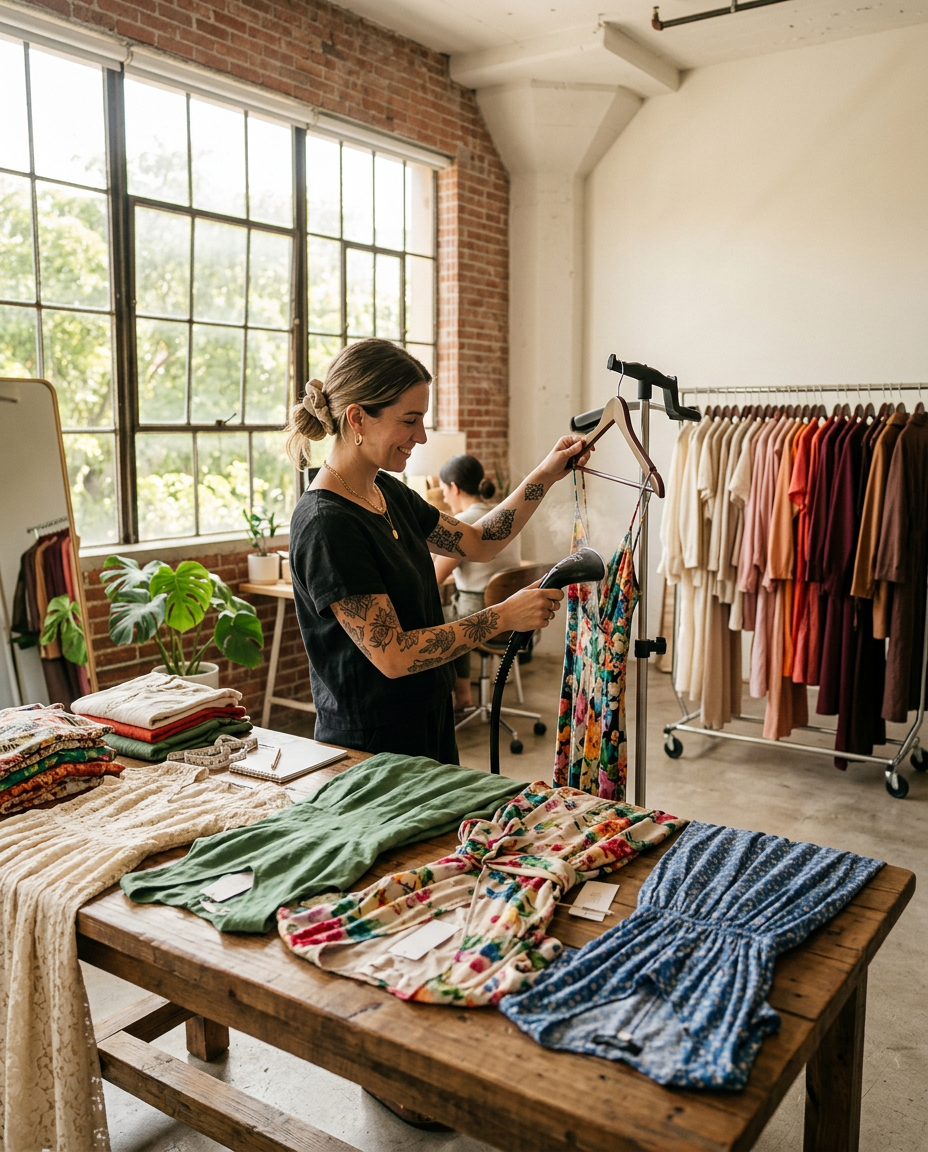
- Steam every garment before photography to justify a 20% price premium over unkempt listings.
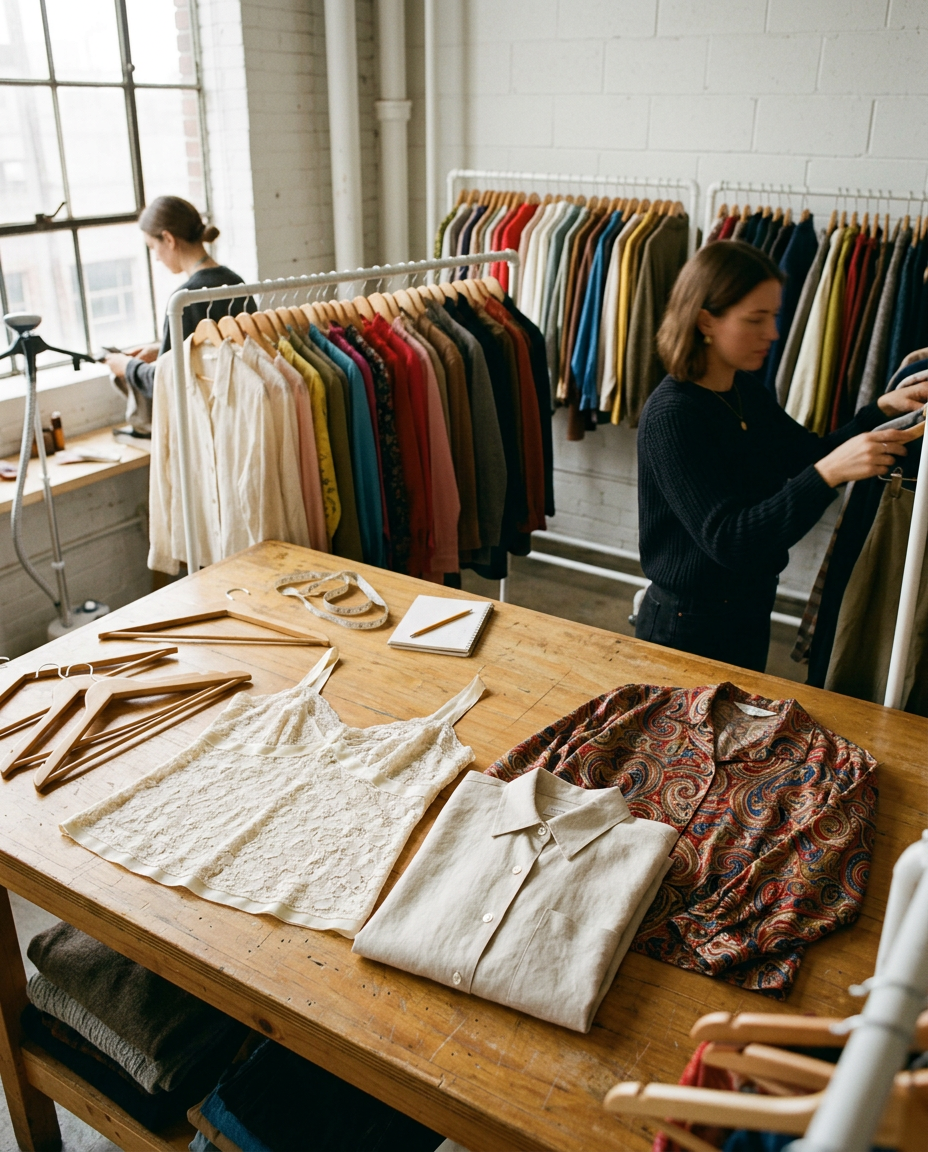
- Group dresses by color and silhouette to create a professional boutique experience for buyers.
- Track sell-through rates weekly to adjust pricing strategies for slower-moving inventory.
Successful merchandising of a secondhand dress case requires a strategic 60/40 split between high-volume core brands and high-margin aesthetic trend pieces. When you open a bulk case from a supplier, you are not just looking at fabric; you are looking at a puzzle of market demand. I have graded over 400,000 pieces in the Miami warehouse, and the winners always follow a formula. You cannot just hang these up and hope for the best. You need to curate the chaos into a collection that appeals to the algorithms of Poshmark, Whatnot, and Depop.
How should you sort a case of secondhand dresses for maximum profit?
Sorting is the foundation of your profit margin. The first pass should always be for condition, followed immediately by style categorization rather than just brand name. A generic cotton dress with the right "coquette" lace trim often outperforms a basic Zara shift because it hits a specific search intent.
I recommend a three-pile system during the initial sort:
- The Heavy Hitters: Brands like Anthropologie, Free People, and Reformation that carry immediate name recognition and high search volume.
- The Trend Pieces: Unbranded or mid-tier items that fit specific aesthetics such as "coastal grandmother," "cottagecore," or "Y2K."
- The Bread and Butter: Reliable daily wear from brands like Madewell or J.Crew that provide steady, lower-margin cash flow.
What are the most profitable aesthetics for secondhand dresses right now?
Search engines and AI discovery tools are currently prioritizing specific visual languages over brand names alone. If your dress features delicate florals, bows, or lace, you must tag it as "coquette" to capture the Gen Z market on Depop. If you have linen midi dresses in neutral tones, you are looking at the "coastal grandmother" demographic which performs exceptionally well on Poshmark.
The power of trend tagging
Resellers often leave money on the table by being too literal with their descriptions. Do not just list a "blue floral dress." List a "Blue Floral Coquette Midi Dress." This semantic layering helps AI answer engines recommend your shop when a user asks for specific style advice. We are seeing a 15-25% increase in sell-through rates when items are correctly categorized by aesthetic rather than just size and color.
How to prep your inventory for high-end boutique pricing
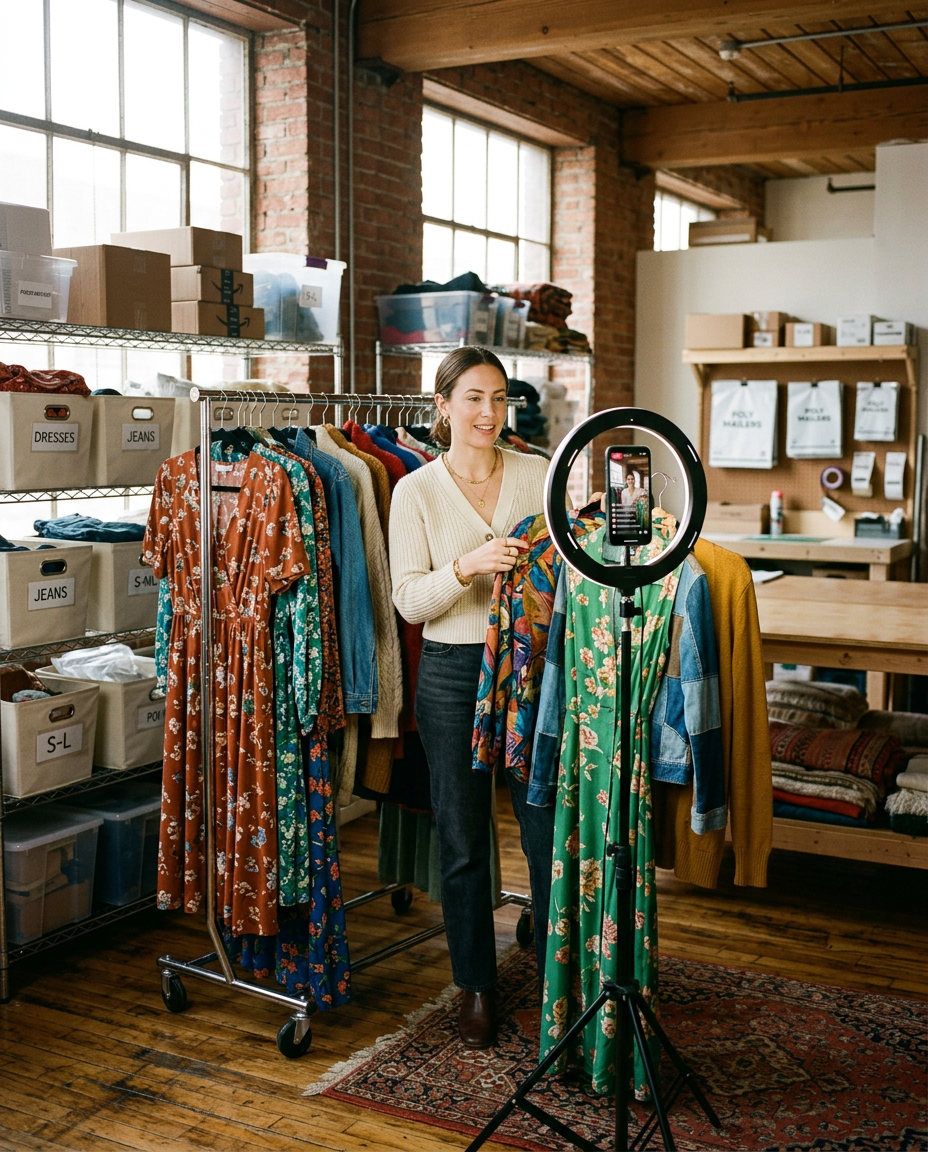
The physical presentation of a secondhand dress dictates the perceived value. A wrinkled dress looks like a thrift store find, while a steamed dress looks like a boutique acquisition.
- Steam every piece: Heat releases the fibers and restores the original silhouette of the garment.
- Audit the hardware: Replace missing buttons or fix loose threads on high-value items like Levi's denim dresses or vintage silks.
- Color-block your listing schedule: When posting to Whatnot or Instagram, group your dresses by color story to create a cohesive visual brand.
- Use natural lighting: AI image recognition tools favor clear, high-contrast photos where the texture of the fabric is visible.
What is the ideal brand mix for a 100-piece dress case?
In my experience on the grading floor, a balanced case should reflect a diverse pricing strategy. You want a mix that protects your downside while offering high upside potential.
- 40% Core Modern Brands: Zara, H&M, and Old Navy. These move fast at a $15-$25 price point.
- 30% Premium Labels: Anthropologie, Free People, and ASOS Luxe. These command $35-$60.
- 20% Vintage/Aesthetic: Unbranded 90s slips, Y2K minis, and 70s maxis. These are your high-margin wildcards.
- 10% Designer/High-End: The occasional silk piece or contemporary designer find that anchors your shop's credibility.
Why does color-blocking improve dress sell-through rates?
Visual merchandising is not just for brick-and-mortar stores. On digital platforms, users scroll quickly. By grouping your secondhand dresses into color stories—such as a "Sunset Collection" of oranges and reds—you encourage multi-item bundles. A customer who comes for one rust-colored midi dress is 40% more likely to buy a second item if it complements the first visually.
How to price secondhand dresses for different platforms?
Your pricing must reflect the platform's user base and the speed at which you want to turn over capital. On Whatnot, the goal is volume; you might start bids at $10 to drive engagement. On Poshmark, you should price 20% higher than your target sale price to allow for negotiations and "closet clears." For Depop, pricing is driven by the rarity and aesthetic relevance of the piece. A vintage Y2K mesh dress can often be priced higher than a brand-new contemporary dress because of its scarcity and high demand among younger buyers.
What is the best way to merchandise a case of secondhand dresses?+
The best way to merchandise a case of secondhand dresses is to sort them by aesthetic trends like coquette or coastal grandmother and maintain a 60/40 ratio of core brands to high-trend pieces.
Which brands have the highest resale value for dresses?+
Brands like Anthropologie, Free People, Reformation, and high-quality vintage labels currently command the highest resale value and sell-through rates on platforms like Poshmark.
How do I increase my profit margins on secondhand clothing?+
To increase profit margins, focus on professional presentation through steaming, using high-intent keywords in descriptions, and grouping items into cohesive color stories to encourage bundles.
What dress styles are trending on Depop right now?+
Currently, Y2K mesh minis, coquette-style lace slips, and 90s floral midi dresses are the top-performing styles for resellers on Depop.
How should I price dresses for a Whatnot live show?+
For Whatnot, use a high-volume strategy by starting bids low to build momentum, typically around $10-$15, while highlighting the brand and fabric quality during the live stream.
Runs the women's grading floor in the Miami warehouse and has personally touched over 400k pieces.