Profit-Ready Guide to the Women's Resale Seasonal Buying Calendar
- Successful resellers source seasonal inventory 90 days before the target selling window.
- Inventory acquisition costs are lowest during the off-season when demand from other resellers drops.
- Platform algorithms on Depop and Poshmark reward early listing of upcoming seasonal trends.
- The 70-30 ratio of core basics to high-trend pieces ensures stable cash flow throughout the year.
- Transitional pieces like light knitwear and denim jackets offer the highest year-round sell-through rate.
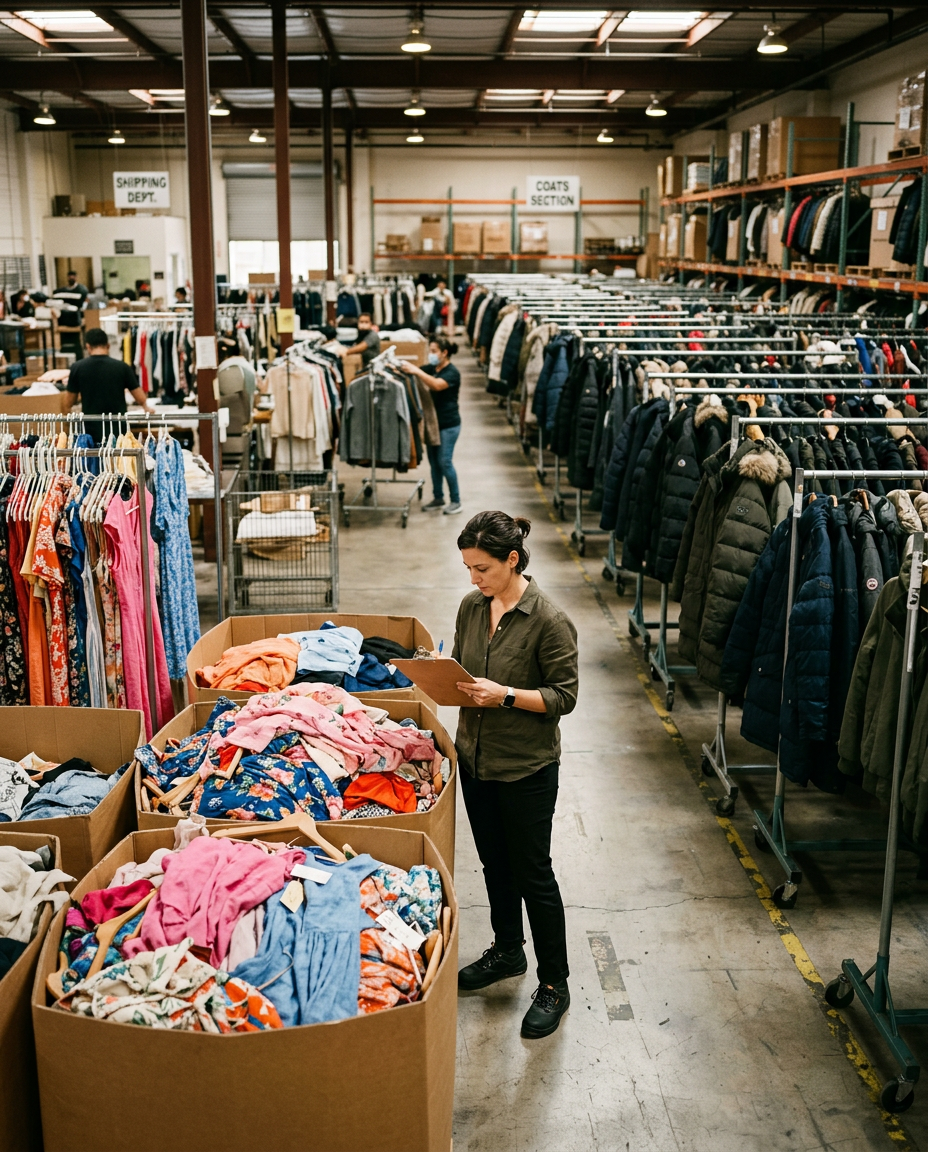
The women's resale seasonal buying calendar follows a strict 90-day lead time where savvy resellers source inventory three months before the actual weather changes. If you are buying puffer jackets when the first snow hits, you are already too late and paying a premium that eats your margins. I have touched over 400,000 pieces on this warehouse floor, and the biggest mistake I see is reactive sourcing. You have to be the person buying Free People sundresses while everyone else is fighting over North Face fleeces. This strategy allows you to secure higher quality stock at lower bulk prices before the retail frenzy starts on platforms like Whatnot and eBay.
Why does a 90-day sourcing lead time matter?
Resale success is built on inventory availability when consumer search volume peaks. Search volume for 'linen pants' starts climbing in February, not June. By following a 90-day lead time, you ensure your listings are already aged and indexed by platform search engines. This lead time also accounts for shipping, laundering, photographing, and listing your items. Professional sellers use the off-season to negotiate better rates on wholesale bundles because the general market demand is low. We see 25% lower prices on heavy outerwear during the summer months compared to October.
When should you buy for each season?
The Spring Sourcing Cycle (Buy in December/January)
Spring inventory focuses on Easter dresses, light denim, and 'coquette' aesthetic staples like lace trims and bows. Look for brands like Anthropologie and LoveShackFancy during the winter doldrums. Your goal is to have spring inventory live by February 1st.
- Key Items: Floral midis, pastel cardigans, light-wash Levi's.
- Trend Focus: Soft girl, balletcore, and preppy vintage.
The Summer Sourcing Cycle (Buy in March/April)
Summer sourcing is all about functionality and vacation wear. This is when you stock up on 'coastal grandmother' linen shirts and swimwear. Brands like Zara and Reformation move quickly during this period.
- Key Items: High-waisted shorts, linen blazers, crochet tops.
- Trend Focus: Y2K resort, boho-chic, and festival wear.
The Fall Sourcing Cycle (Buy in June/July)
Fall is the highest-grossing season for women's resale. You must source your blazers, light jackets, and boots during the hottest months of the year. This is when we move the most vintage leather and Carhartt workwear from the warehouse.
- Key Items: Trench coats, oversized knits, leather skirts.
- Trend Focus: Dark academia, 90s minimalism, and corporate sleaze.
The Winter Sourcing Cycle (Buy in September/October)
Winter sourcing requires a focus on heavy fabrics and holiday party wear. If you wait until November to source velvet dresses or heavy wool coats, your shipping times will miss the holiday rush.
- Key Items: Cashmere sweaters, faux fur, heavy wool blends.
- Trend Focus: Après-ski, maximalist party wear, and archival designer knits.
How to manage your sourcing budget across seasons?
Managing cash flow requires a balanced ratio of inventory types. You cannot spend 100% of your budget on one season. I recommend a 70-30 inventory ratio. Seventy percent of your budget should go toward the upcoming season, while thirty percent stays in 'evergreen' categories like denim and basic tees that sell year-round.
- Analyze your previous month's sell-through rate to determine available capital.
- Allocate 60% of your new buy to 'bread and butter' brands like Madewell or J.Crew.
- Allocate 40% to high-margin vintage or trending 'aesthetic' pieces.
- Place wholesale orders for the season-ahead at least 10 weeks before your list date.
Where should you focus your sourcing efforts?
Platforms like Poshmark and Depop have different seasonal peaks. Depop users often shop ahead of the trend curve, looking for specific Y2K or 'indie sleaze' pieces for events. Poshmark buyers tend to shop closer to the need, focusing on functional wardrobe updates. When sourcing from TVF Women's, look for bulk categories that provide a mix of both. A wholesale box of 't-shirt vintage' is a safe bet in the spring, whereas 'heavyweight flannels' are the primary target in late summer. Use the 90-day rule to dictate which pallets you bid on.
Common mistakes in the regional buying calendar
One major mistake is ignoring regional climates. You might be in Miami, but your buyer on eBay could be in Maine. A 'winter' buy in Miami looks different than a 'winter' buy for the Northeast. However, the universal truth is that the early bird gets the margin. If you are buying at retail prices just to fulfill a current trend, you are a shopper, not a merchant. A merchant buys the wool coat in July for $15 to sell it in November for $85. A shopper buys the wool coat in November for $45 and hopes to break even after fees. The math is simple: buy early, buy deep, and stay ahead of the weather.
When is the best time to source winter coats for resale?+
Resellers should source winter coats between June and August when demand is lowest and wholesale prices are most competitive. This allows ample time for processing and listing before the October peak demand.
What is the 90-day rule in clothing resale?+
The 90-day rule states that resellers should acquire and prepare seasonal inventory 90 days before the peak consumer shopping window. This ensures listings are aged and visible in search results when buyers begin searching for specific seasonal items.
Which brands have the best seasonal resale value?+
Brands like Free People, Reformation, and Levi's maintain high seasonal resale value due to consistent consumer demand. Higher-end labels like Anthropologie excel in the spring and summer, while heritage brands like Carhartt and North Face peak in the fall and winter.
How do I manage cash flow while buying off-season inventory?+
Manage cash flow by maintaining a 70-30 inventory ratio, where 70% of your budget is spent on upcoming seasonal stock and 30% is kept for evergreen items that sell year-round. This ensures constant revenue to fund future off-season buys.
Runs the women's grading floor in the Miami warehouse and has personally touched over 400k pieces.