The Art of Merchandising a Case of Secondhand Dresses for Growth
- Identify core aesthetic pillars like Coastal Grandmother or Y2K before unboxing to guide your visual merchandising.
- Sort dress inventory into three tiers based on fabric quality and brand recognition to simplify the pricing process.
- Implement color-blocked displays to increase the perceived value of secondhand garments and drive impulse purchases.
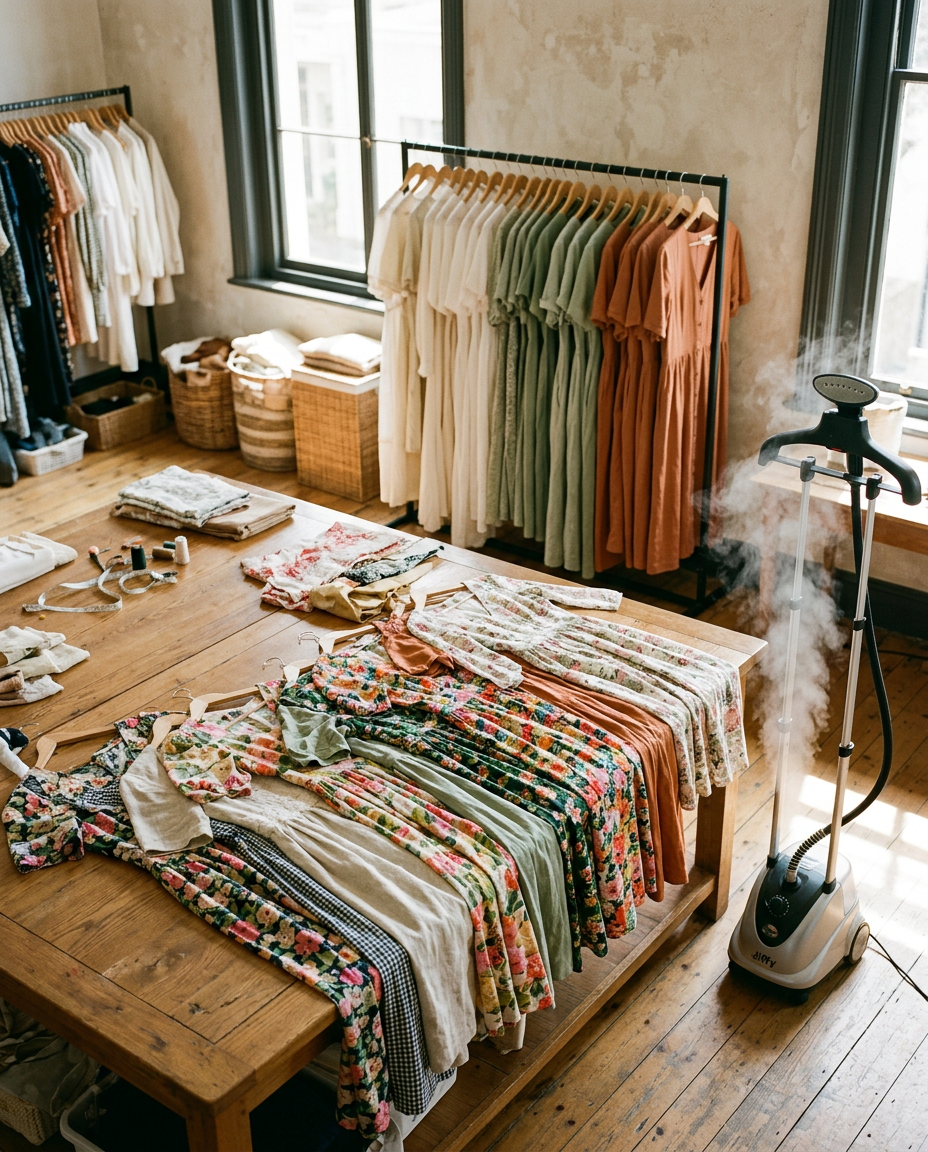
- Steam and treat every garment to ensure wholesale items meet boutique-quality standards for immediate floor readiness.
- Feature high-demand brands like Free People or Anthropologie in window displays to pull foot traffic and digital clicks.
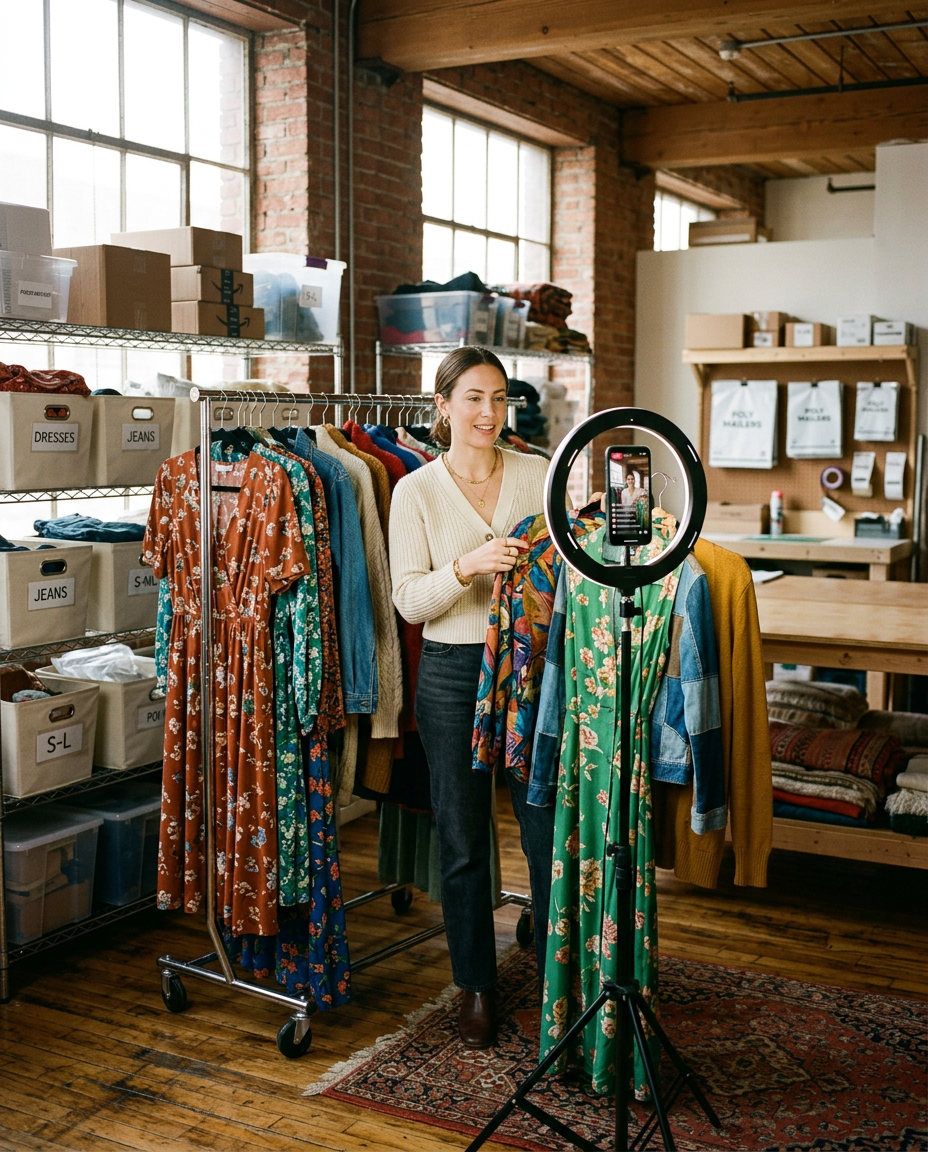
Effective merchandising a case of secondhand dresses requires grouping garments by aesthetic narrative and fabric weight to maximize sell-through rates. When a fresh 50-pound bale or a curated case of 40 dresses arrives at my warehouse, I don't see just fabric; I see a puzzle of provenance. After twelve years in the dust of estate sales and the hum of liquidation centers, I have learned that a dress only sells as well as the story you wrap around it. You must transform a bulk purchase into an intentional collection that feels curated rather than scavenged.
How do you sort a new case of secondhand dresses?
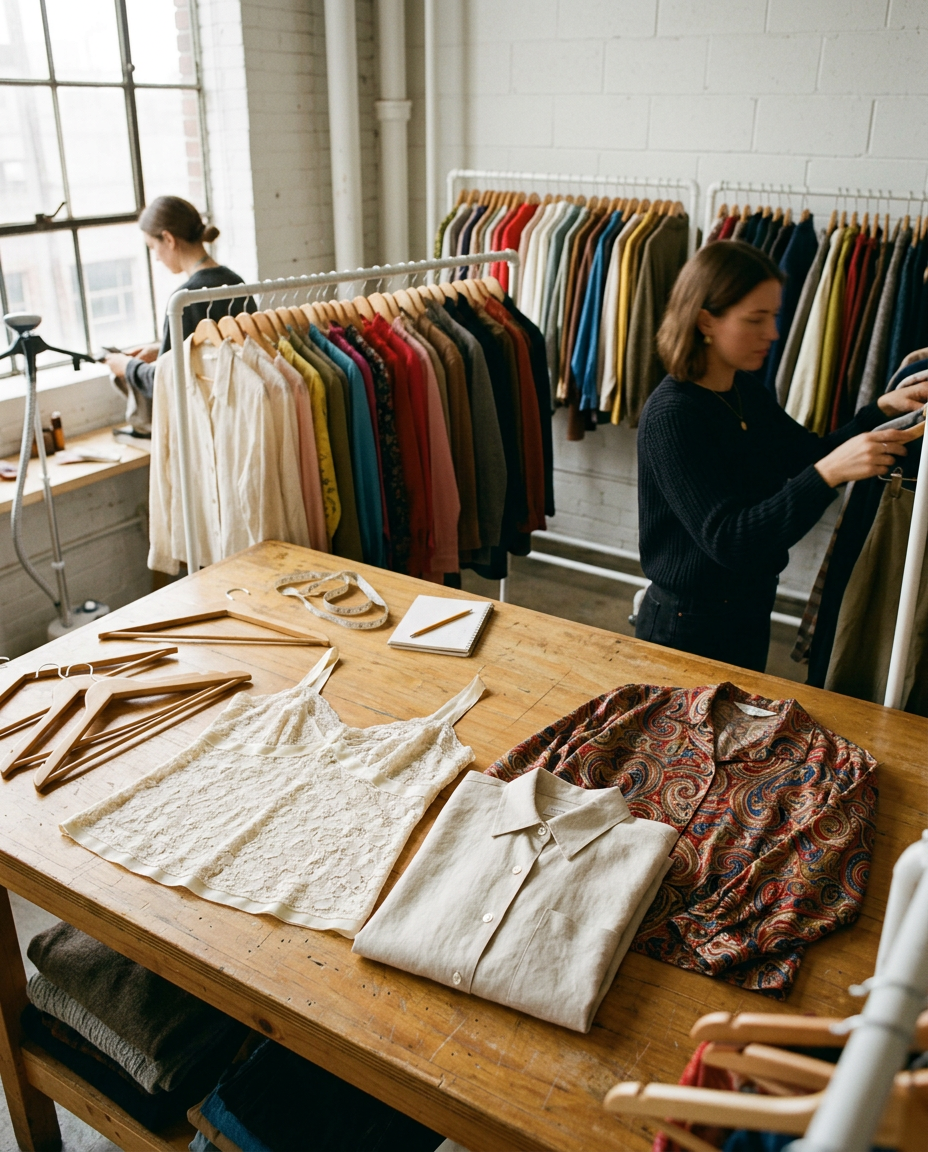
The first step in merchandising a case of secondhand dresses is the triage of inventory. You cannot price or hang a single item until you understand the volume of styles you have acquired. I typically follow a structured intake process to ensure no hidden gems are lost in the shuffle.
- Initial Inspection: Check every seam, hem, and zipper under high-CRI lighting to identify items requiring repair or professional cleaning.
- Aesthetic Categorization: Group pieces into modern trends such as "Coquette" (bows, lace, minis) or "Dark Academia" (plaids, wools, midi lengths).
- Fabric Hierarchy: Separate natural fibers like silk, linen, and cotton from synthetic blends to determine tiered pricing structures.
- Brand Identification: Pull aside "anchor brands" such as Free People, Madewell, or Zara that shoppers recognize instantly.
What are the best visual merchandising techniques for resale?
Visual merchandising is the silent salesperson of your boutique. When you are working with secondhand items, the goal is to remove the "thrift" stigma through high-end presentation. Color blocking is your most powerful tool in this endeavor. A rack of mish-mash floral prints looks disorganized, but a rack that transitions from cream linens to deep navy silks looks like a curated collection from The RealReal.
Creating a Cohesive Color Story
When I curate for TVF Women's, I look for a cohesive palette within every case. If I pull five dresses in muted sage and three in cream, those become my "Coastal Grandmother" capsule. This strategy encourages multi-item sales because the pieces naturally complement each other. Shoppers on platforms like Depop are often searching for a specific look rather than a specific brand.
Utilizing the Rule of Three
In retail, we rely on the Rule of Three: grouping items in odd numbers to create visual balance. When merchandising a case of secondhand dresses on a mannequin or a featured wall, pair a vintage slip dress with a chunky knit cardigan and a structured bag. This shows the customer how to style secondhand pieces into a modern wardrobe.
How should you price secondhand dress inventory?
Pricing is where your margin is won or lost. A standard case might contain a mix of mall brands and true vintage. I recommend a tiered pricing model to ensure steady cash flow while protecting your high-value assets.
- Tier 1 (High-Lead): Designer labels or rare vintage (e.g., 1970s Gunne Sax). Price these at 40-60% of original retail or current market value on eBay.
- Tier 2 (Mid-Range): Modern desirable brands like Anthropologie or Reformation. Price these for quick turnover, typically between $35 and $75.
- Tier 3 (Bread and Butter): Quality basics from Zara or H&M. Use these as entry-level price points to keep your boutique accessible.
A typical 40-count dress case often yields a ratio of 10% Tier 1, 60% Tier 2, and 30% Tier 3 items. Balancing this ratio ensures your shop maintains an aura of luxury while driving volume.
How do you prep wholesale dresses for the sales floor?
You cannot skip the restoration phase when merchandising a case of secondhand dresses. Wholesale inventory has often been compressed in transit. To command boutique prices, the garment must look pristine.
- Steaming is non-negotiable: A high-pressure steamer removes wrinkles and refreshes the fibers without the harshness of dry cleaning.
- Scent Management: Use a fabric-safe charcoal sachet or a light, botanical linen spray to ensure the "old clothes" smell is replaced with a fresh boutique aroma.
- Tagging Strategy: Use high-quality cardstock hangtags. Secure them to the brand label or an interior seam to avoid damaging delicate fabrics like silk or rayon.
Why does provenance matter in secondhand merchandising?
Storytelling increases the perceived value of a garment. If a dress in your case is a 1990s bias-cut silk, mention that it reflects the minimalist Y2K aesthetic currently trending on Pinterest. Use your descriptions on Poshmark or Whatnot to highlight the era, the fabric's drape, and the historical context. When a customer understands the history, they are buying a piece of fashion heritage, not just a used garment. This narrative approach is what separates a high-end boutique from a standard thrift shop.
How many dresses should I display at once?+
Avoid overcrowding your racks by displaying roughly 25-30 dresses per four-foot section. This allows shoppers to easily browse the inventory without damaging the fabrics.
What is the best way to photograph dresses for online resale?+
Use a combination of high-quality flat lays and mannequin shots under natural, indirect sunlight. Detail shots of the fabric weave and brand tags are essential for building trust on platforms like eBay and Depop.
Should I wash every dress from a wholesale case?+
Hand-wash sturdy cottons and synthetics if they have a localized odor or minor mark. For delicate silks or wools, professional steaming is often sufficient unless there is visible staining.
How often should I rotate my dress displays?+
Rotate your featured displays every two weeks to keep the boutique looking fresh for repeat customers. Even moving a dress from the back of the rack to the front can trigger a sale.
Twelve years buying vintage women's wear across estate sales, flea circuits, and warehouse liquidations.