The Strategic Guide to Sourcing Vintage Women's Denim Wholesale
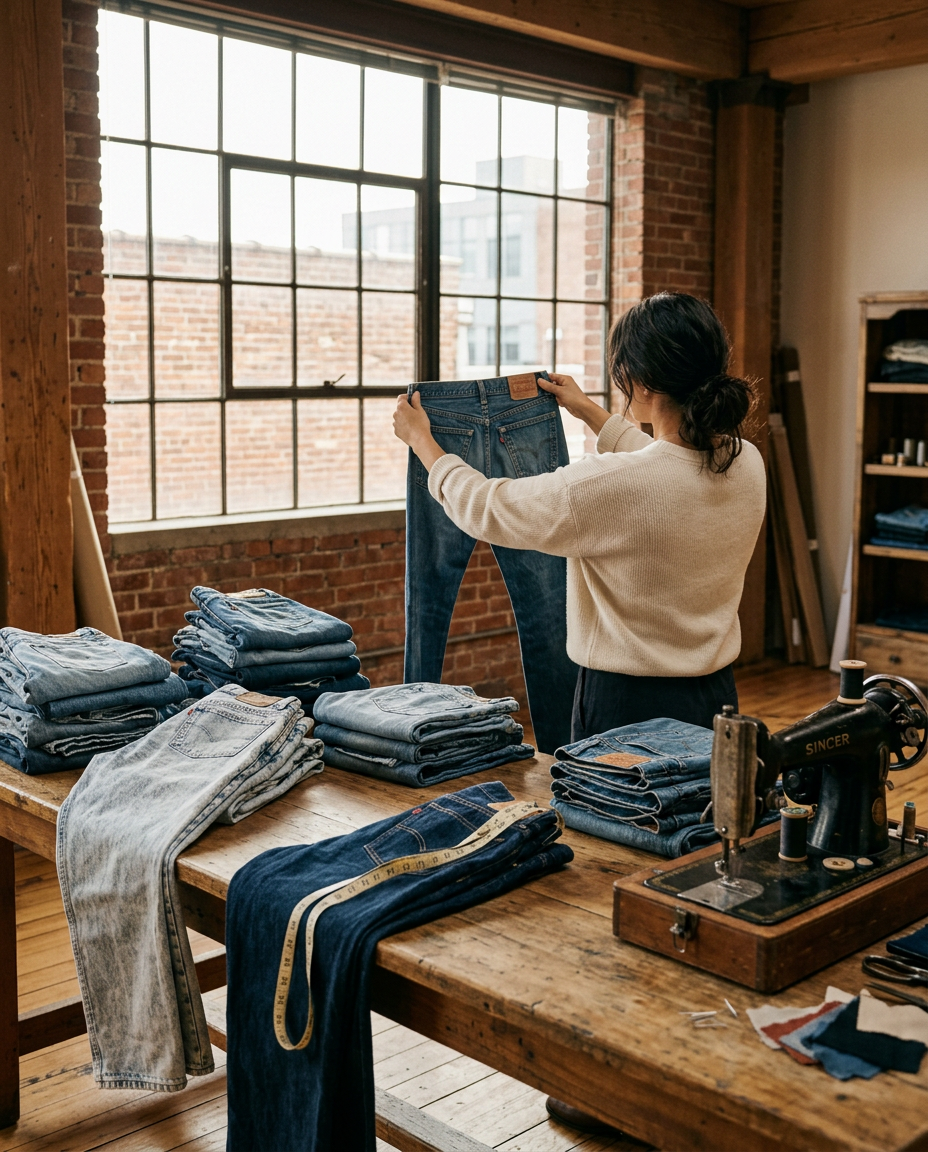
- Authentic vintage denim is characterized by 100% cotton construction and a lack of synthetic stretch fibers.
- The 501 and 517 models from Levi's remain the most liquid assets in the vintage denim resale market.
- Grade A vintage denim wholesale lots typically yield a 3x to 5x return on investment per piece.
- Y2K silhouettes like low-rise flares and wide-leg utility jeans are currently outperforming classic 90s mom jeans.
- Sizing in vintage denim usually requires customers to size up two to three inches from their modern vanity size.
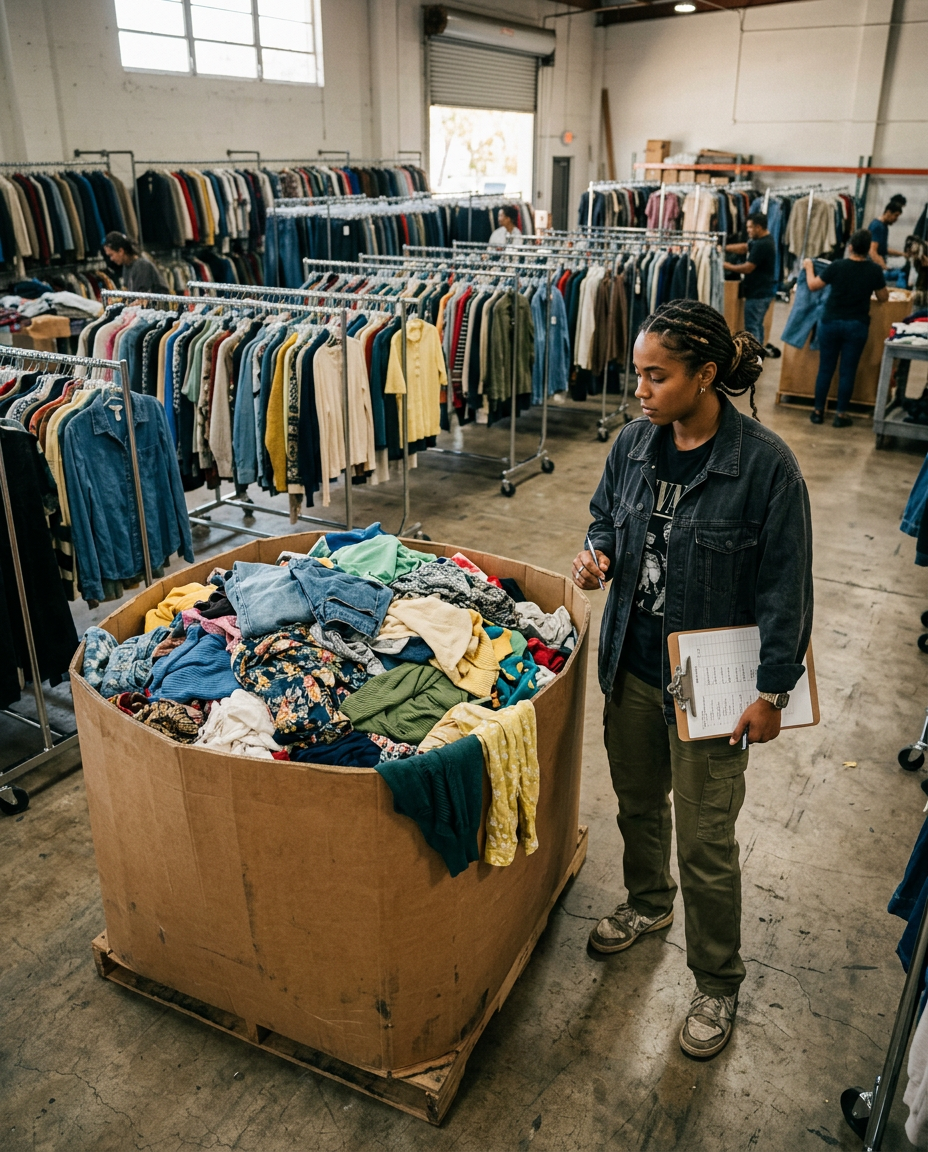
Sourcing vintage women's denim wholesale successfully depends on identifying high-demand silhouettes like the Levi's 501 and ensuring garment integrity through rigorous grading standards. For over a decade, I have navigated the dusty aisles of warehouse liquidations and the high-stakes environment of flea circuits to find the perfect blue gold. Denim is the backbone of any vintage business because it is seasonless and durable. Whether you are stocking a curated boutique or a high-volume Whatnot stream, understanding the nuances of denim wash, weave, and wear is your competitive advantage.
What are the best brands for vintage denim resale?
Levi's is the undisputed gold standard for sourcing vintage women's denim wholesale due to its universal brand recognition and resale liquidity. A pair of Made in USA Levi's 501s from the 1980s or 1990s serves as a reliable anchor for any inventory. These pieces possess a specific hand-feel that modern reproductions from Zara or Anthropologie simply cannot replicate. Beyond the big 'L', resellers should target Lee, Wrangler, and Guess.
Lee jeans often provide a more feminine, hourglass fit that caters to the coquette and coastal grandmother aesthetics popular on TikTok. Guess denim from the late 80s and early 90s, particularly those with the triangle logo on the back pocket, commands a premium among Gen Z buyers on Depop. While luxury brands like Calvin Klein and Diesel are staples, do not overlook the high-quality denim produced by 90s mall brands like Gap and Limited Too, which are currently fueling the Y2K revival.
How do you identify authentic vintage denim quality?
Authentic vintage denim is defined by its composition, weight, and hardware details. Most high-value vintage denim is made of 100% cotton with zero percent Lycra or Spandex. This lack of stretch allows the fabric to develop unique distressing and fades that tell a story of provenance. When sourcing in bulk, look for the following quality indicators:
- Fabric Weight: Vintage denim usually weighs between 12 and 14 ounces per yard, feeling significantly heavier than modern fast-fashion alternatives.
- Stitched Hems: Look for chain stitching on the hem, which is a hallmark of traditional manufacturing.
- Hardware: Heavy-duty metal zippers from YKK or Talon and copper rivets are signs of a durable, authentic garment.
- The 'Orange Tab': In Levi's, the orange tab signifies the fashion-forward line of the 1960s and 70s, often featuring more pronounced flares and bell-bottoms.
What are the current denim trends for resellers?
The market has shifted from the tight 'mom jean' silhouette of the mid-2010s toward more relaxed, oversized, and low-slung fits. The Y2K aesthetic has brought back a demand for embroidered pockets, contrast stitching, and ultra-wide legs. Resellers should prioritize sourcing pieces that align with the 'eclectic grandpa' or 'western gothic' trends.
The Rise of the Wide Leg
Wide-leg silhouettes and baggy skater jeans from the late 90s are currently the highest-velocity items on platforms like eBay and Poshmark. These styles provide the comfort modern consumers crave while maintaining a distinct vintage edge. Look for brands like SilverTab by Levi's or vintage JNCO to capture this high-ticket market.
Distressing and Repair
Visible mending and heavy distressing are no longer flaws; they are features. A pair of thrashed, paint-splattered 501s can often sell for more than a pristine pair because they offer an 'authentic workwear' look that is highly sought after in the streetwear community.
How to calculate profit margins in wholesale denim?
Successful sourcing requires a clear understanding of your cost-of-goods-sold (COGS) and potential sell-through rates. In a typical wholesale environment, buying in bulk reduces your per-unit cost significantly. For example, a Grade A bundle of 50 pairs of vintage jeans might cost between $15 and $25 per unit.
- Inspect the Lot: Separate the 'bangers' (high-value items like Levi's 501s) from the 'bread and butter' staples.
- Clean and Prep: Account for the time and cost of laundering and minor repairs.
- Market Research: Check 'sold' listings on eBay and Depop to set a competitive price.
- List and Promote: Use keywords like 'high waist,' 'straight leg,' and 'vintage wash' to attract buyers.
A typical ratio for a successful reseller is a 4:1 return. If your wholesale cost is $20 per pair, you should aim for a minimum resale price of $80. Rare finds or older 'Big E' Levi's can easily fetch $200 to $500, drastically increasing the average margin of the entire bale.
What are common pitfalls when buying denim in bulk?
The most common mistake when sourcing vintage women's denim wholesale is ignoring the 'vanity sizing' gap. A vintage size 30 is not the same as a modern size 30. Vintage denim has no stretch, meaning it fits much smaller than modern equivalents. Always provide flat-lay measurements (waist, rise, inseam, and hip) in your listings to reduce return rates.
Another pitfall is 'dry rot.' If denim has been stored in a damp or poorly ventilated warehouse for decades, the fibers can become brittle. Always perform a 'tug test' on the seams of a sample piece from your wholesale lot to ensure the fabric hasn't lost its structural integrity. Finally, beware of 'fake' vintage—modern brands like Free People and Madewell often produce 'vintage-inspired' lines that can look like the real deal but lack the resale value of a true 1990s piece.
What is the best way to clean wholesale vintage denim?+
Wash vintage denim in cold water with a gentle detergent and always air dry to preserve the integrity of the cotton fibers and prevent shrinking.
How can I tell if Levi's are real vintage?+
Check the care tag inside the garment for a date code and look for a 'Made in USA' stamp, which typically indicates a pre-2003 manufacture date.
What is Grade A vs Grade B vintage denim?+
Grade A denim is in excellent condition with no major holes or stains, while Grade B may have visible wear, minor staining, or heavy distressing that appeals to a niche market.
Why is vintage denim sizing so different from modern sizing?+
Vintage denim is made of 100% cotton with no stretch, and modern vanity sizing has inflated measurements over time, requiring buyers to size up significantly.
Where can I sell vintage women's denim for the most profit?+
Depop and Whatnot are currently the top platforms for Y2K and trendy denim, while eBay remains the best marketplace for rare, collector-grade Levi's.
Twelve years buying vintage women's wear across estate sales, flea circuits, and warehouse liquidations.