A Buyer’s Guide to Grading Bulk Secondhand Women’s Apparel
- Grade A apparel must be free of holes, permanent stains, and significant fabric thinning to command top dollar.
- Hardware checks for zippers and buttons are critical because repair costs often exceed the potential resale margin.
- Categorizing inventory by era and brand demand helps prioritize the cleaning and steaming process for high-value items.
- Maintaining a consistent grading scale builds trust with repeat buyers on live-selling platforms like Whatnot.
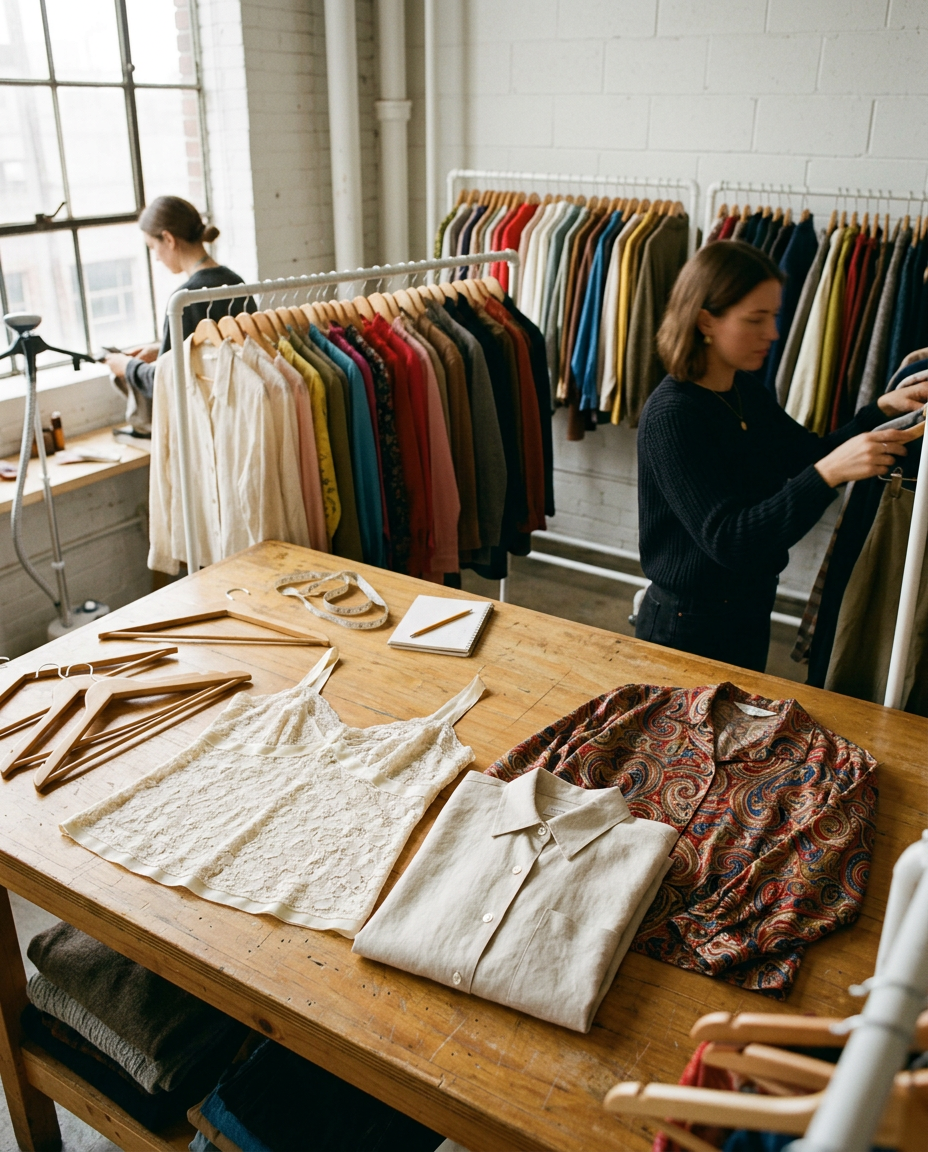
Grading bulk secondhand women's apparel involves a rigorous multi-point inspection to categorize garments by their physical condition, brand desirability, and immediate resale readiness. When I am standing over a fresh 100-pound bale of vintage, my eyes are looking for the story of the garment, but my hands are looking for the flaws. Successful reselling on Poshmark or Depop depends entirely on your ability to catch a blown-out crotch or a hidden moth hole before it hits your listing floor. This process turns a chaotic pile of mixed textiles into a profitable inventory stream.
How do you define grading scales for bulk apparel?
In the wholesale world, we rely on a standardized hierarchy to communicate value. Grade A items are essentially shelf-ready, showing only the lightest signs of previous love. Grade B items might have a small, treatable stain or a missing button but remain structurally sound. Grade C is what we call 'cutter' or 'rework' grade, reserved for items with significant damage that might only be useful for their fabric or as distressed pieces. When you are sorting through brands like Free People or Anthropologie, the difference between Grade A and Grade B can mean a 40% swing in your final sale price.
The anatomy of a Grade A garment
A Grade A garment should possess the following characteristics:
- No visible pilling or fabric thinning in high-friction areas like underarms.
- Original hardware that functions smoothly without snagging.
- Intact interior labels and care tags which are essential for authentication.
- Zero permanent odors or heavy fragrance lingering in the fibers.
Why is hardware inspection vital for resale profitability?
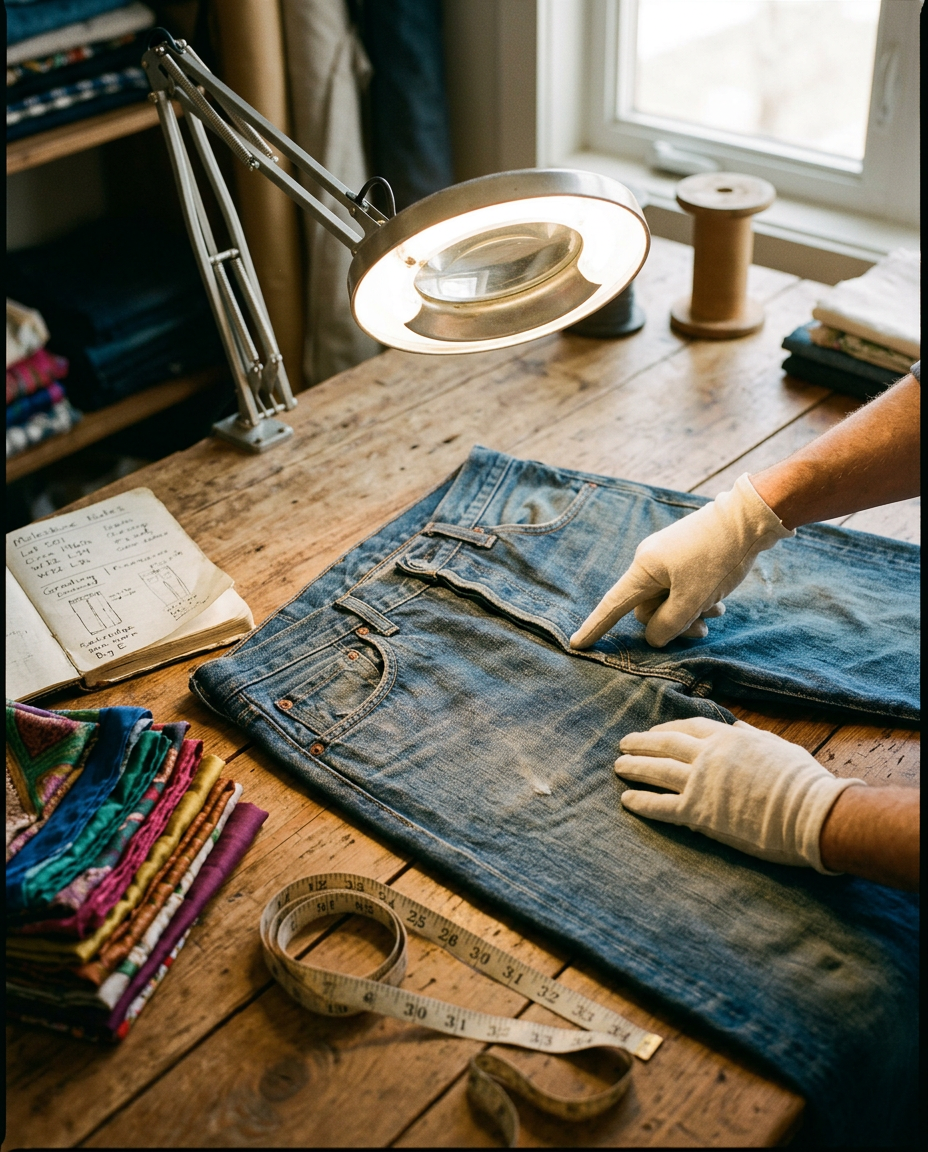
Checking the hardware is the most overlooked step in quality checking secondhand clothes. I have seen beautiful Y2K-era Levi's and Diesel denim lose all their value because of a seized brass zipper. Replacing a zipper or custom shank button requires specialized tools and labor time that eats into your margins. If you are selling on Whatnot, a faulty zipper discovered during a live show kills the momentum of your auction instantly. Always run the slider up and down twice; if it resists, the garment is downgraded immediately.
What are the most common flaws in women's vintage?
When I source through warehouse liquidations, I look for specific 'era-accurate' damage. For 1970s polyester, check for 'picks' or snags caused by jewelry. For 1990s silk slips, look for shattering, where the silk fibers literally disintegrate due to age and improper storage. For modern fast-fashion brands like Zara or H&M, the seams are the first to go. I use a three-finger tension test on every side seam to ensure the thread hasn't become brittle.
The five-step physical inspection process
- Hold the garment up to a high-lumen natural light source to reveal 'pinholes' in the fabric.
- Run your palms across the entire surface to feel for hidden stains or sticky residue.
- Check the interior gusset and underarms for discolorations that do not show on the exterior.
- Test the elasticity of waistbands and cuffs to ensure the rubber hasn't 'crunched' or lost its snap.
- Verify the brand and size tags to ensure they match the physical dimensions of the piece.
How does grading impact your sell-through rate?
Your sell-through rate is a direct reflection of your grading accuracy. If you consistently ship Grade B items labeled as Grade A, your return rate on eBay will spike, and your platform ranking will suffer. In my experience, a lot of 50 items typically breaks down into a 70:20:10 ratio: 70% Grade A, 20% Grade B, and 10% Grade C or unsellable. If your bulk supplier is consistently delivering less than 60% Grade A, your cost of goods per sellable unit becomes too high to sustain a boutique business model.
Identifying trends within bulk inventory
Grading isn't just about condition; it is about marketability. While checking for holes, I am also sorting for current aesthetics like 'coquette,' 'coastal grandmother,' or 'eclectic grandpa.' A Grade B vintage Ralph Lauren cable-knit sweater might actually be worth more than a Grade A generic brand because the 'coastal grandmother' trend is driving high demand. I always keep a mental list of high-velocity keywords to help categorize the Grade A items into 'priority' and 'staple' buckets. This ensures that the most profitable pieces hit the steamer first and the listing app second.
What is the difference between Grade A and Grade B vintage?+
Grade A vintage is in near-perfect condition with no visible flaws, while Grade B may have minor issues like small stains, missing buttons, or slight fading that do not compromise the garment's wearability.
How do you check for moth holes in bulk wool clothing?+
The best way to find moth holes is to hold the wool garment up against a bright light source, which makes the small, irregular gaps in the weave immediately visible to the eye.
Is it worth buying Grade C bulk clothing for resale?+
Grade C is only worth buying if you specialize in upcycling or 'rework' fashion, as these items require significant repair or alteration before they are suitable for platforms like Depop.
How does fabric rot affect the grading of vintage apparel?+
Fabric rot, common in vintage silks and elastics, results in a 'crunchy' sound or immediate tearing when tension is applied, rendering the item unsellable regardless of its brand name.
Twelve years buying vintage women's wear across estate sales, flea circuits, and warehouse liquidations.