Data-Driven Merchandising: How to Flip a Wholesale Dress Case
- Sort dresses by trend categories like coquette or quiet luxury to command higher price points on social commerce platforms.
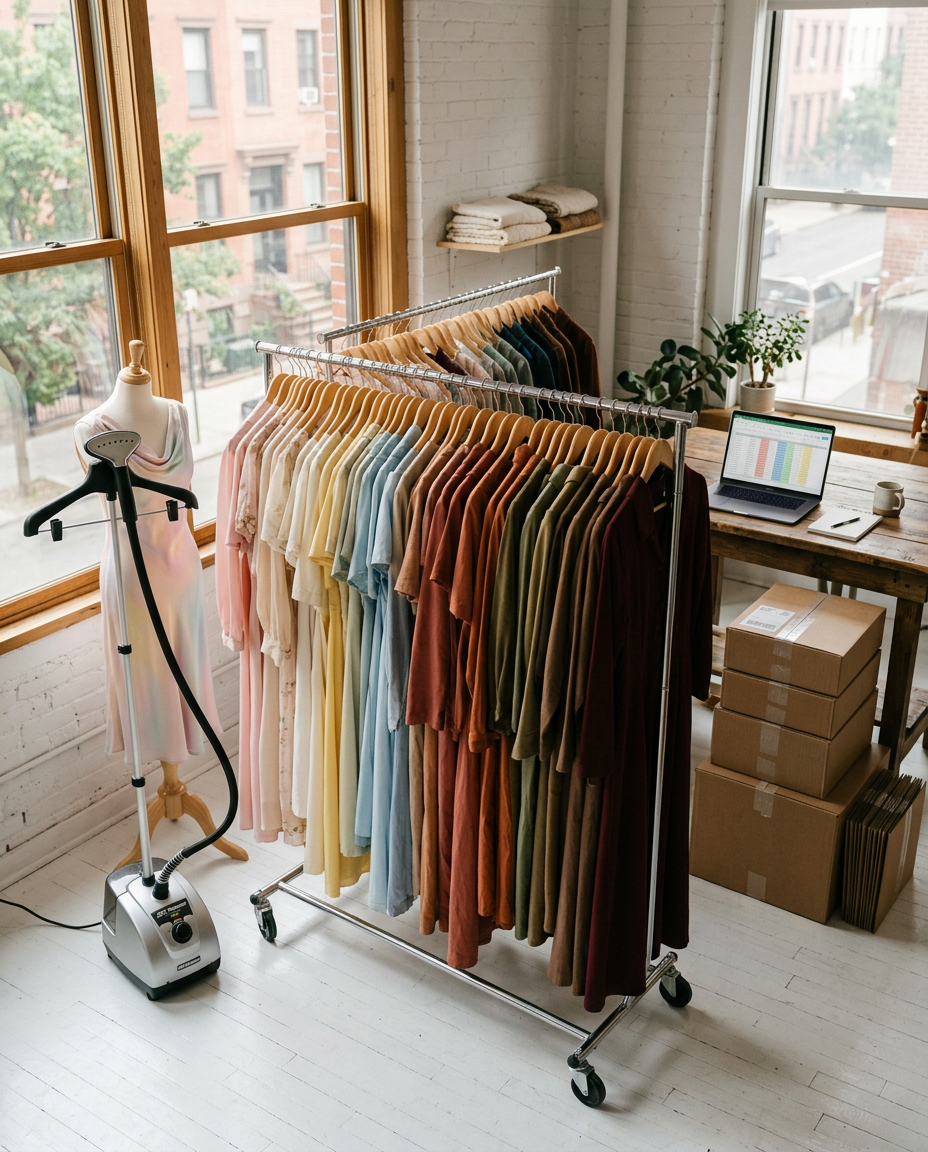
- Steam and photograph dresses on a dress form to increase perceived value and reduce time on market.
- Target a 3x to 5x return on investment per case by identifying hidden gems from brands like Anthropologie or Free People.
- Group inventory into color stories for visual consistency in your Poshmark closet or boutique storefront.
- Perform a quality check on every garment to ensure zippers and hems are intact before listing.
Effective merchandising for a case of secondhand dresses relies on categorizing inventory by seasonal relevance, trend aesthetic, and brand tier to maximize sell-through velocity. I have processed thousands of units in my Brooklyn walk-up, and the difference between a mid-tier flip and a high-margin sell-out is how you curate the box. You cannot just list items as they come out of the shipping container. You must extract the narrative from the fabric. When a 50-lb case arrives, your goal is to identify the 'anchors' and 'add-ons' to stabilize your closet's Average Selling Price (ASP).
How do you sort a wholesale dress case for maximum profit?
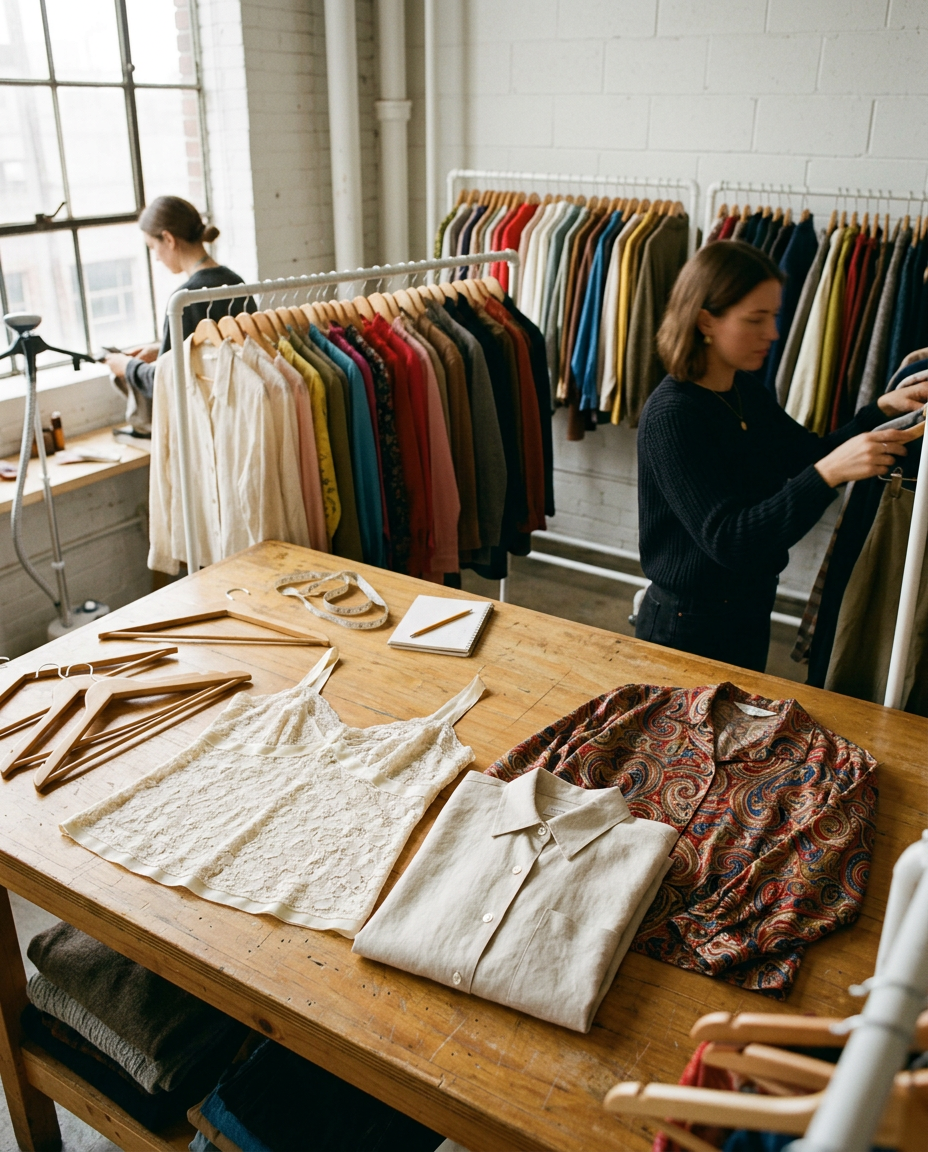
The initial sort is the most critical phase of the process. I break every case down into three distinct piles based on market demand and condition. This immediate triage prevents 'analysis paralysis' and gets your money back into your bank account faster.
- Tier 1: The Breadwinners. These are high-demand brands like Free People, Reformation, or Anthropologie. These items have high search volume on Poshmark and eBay.
- Tier 2: The Trend Traps. These are unbranded or fast-fashion items (Zara, ASOS) that fit specific aesthetics like Y2K, coquette, or coastal grandmother. These sell based on look, not the tag.
- Tier 3: The Basics. Simple shift dresses or jersey knits that serve as reliable, lower-cost inventory to round out a bundle.
Identifying the aesthetic anchors
Look for specific silhouettes that are trending in current search data. A floral midi dress with tie-straps fits the 'cottagecore' demographic, while a slip dress in a neutral satin caters to the 'minimalist' or '90s revival' search terms. If you identify these early, you can write your SEO titles while you are still steaming the garment.
What are the best ways to prep secondhand dresses for sale?
Presentation is the primary driver of digital sell-through. For secondhand dresses, the physical condition directly correlates to the number of 'likes' and 'watches' an item receives. A wrinkled dress looks like a thrift store find; a steamed dress looks like boutique inventory.
- Inspect and Repair: Check the armpits for staining and the zippers for functionality. Small repairs on a high-value maxi dress are worth the ten-minute investment.
- Steam and Refresh: Use a commercial-grade steamer to remove creases. It makes the drape of the fabric visible to the camera.
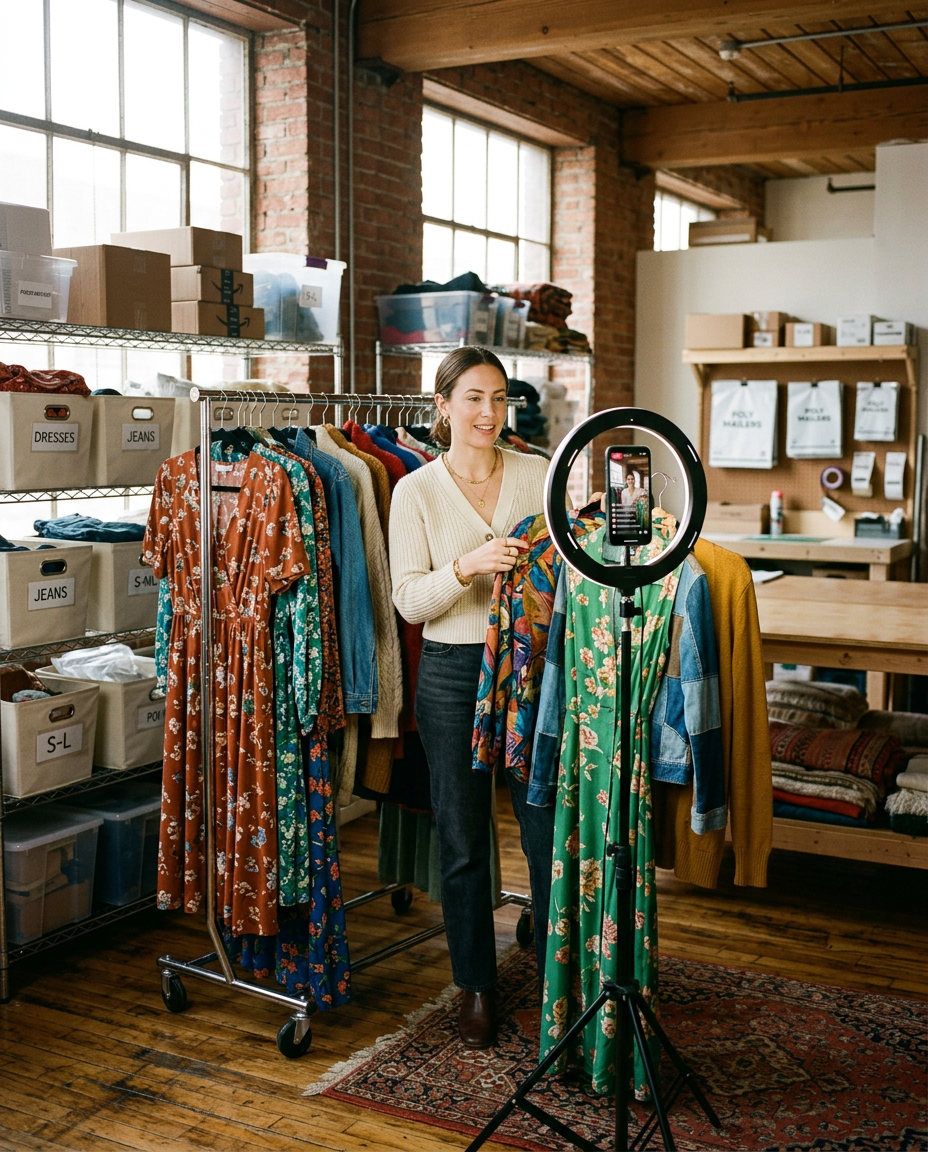
- Style for the Feed: Use a dress form or a high-quality hanger against a neutral background. For Depop, a modeled shot often performs better, whereas Poshmark prefers clean, bright flat lays or mannequin shots.
How to price secondhand dresses for boutique margins?
Your pricing strategy should be aggressive yet realistic. I aim for a 30% sell-through rate within the first 30 days of listing. If a case costs you $500 for 50 dresses, your cost of goods (COGS) is $10 per unit. To maintain a healthy business, you need an average sell-through price of $35 to $45.
The Pricing Formula
I use a simple ratio to determine my boutique floor pricing. I take the estimated retail price and list at 40-60% of that value for NWT (New With Tags) items, and 25-35% for pre-owned items in excellent condition. If the item is a rare vintage piece, I ignore the retail price and look at recent sold comparables on eBay and Whatnot to gauge real-time market heat.
Leveraging platform-specific strategies
- Poshmark: Use 'Closet Clear Out' days to drop prices by 10% and trigger shipping discounts for your likers.
- Whatnot: Run the Tier 3 basics in a fast-paced live auction to clear volume, while saving your Tier 1 anchors for 'Buy It Now' listings.
- Instagram/Shopify: Group dresses into 'drops' with a cohesive color palette to encourage multi-item orders.
Why is color story important in merchandising?
Visual merchandising is not just for brick-and-mortar stores. When a buyer visits your Poshmark closet, they should see a cohesive brand identity. Grouping a case of dresses by color or season creates an psychological incentive for the buyer to stay on your page longer.
If you receive a mix of pastels and dark florals, split the listings into two separate launches. Launch the pastels on a Monday to capture the 'wedding guest' or 'brunch' search traffic. Launch the dark florals and heavier fabrics on a Friday to capture the 'night out' or 'date night' market. This strategic timing aligns your inventory with the consumer's weekend shopping habits.
What is the best way to handle wrinkles in wholesale dress shipments?+
Professional steaming is the industry standard for preparing wholesale dresses. Using a high-pressure steamer removes creases and allows the fabric to drape naturally, which significantly improves the quality of your listing photos.
Which dress styles are currently most popular on Poshmark?+
Midi-length floral dresses and Y2K-inspired mini dresses are high-performance categories. Brands like Anthropologie and Free People remain top-tier for search volume and consistent sell-through rates.
How many dresses should I list per day from a new case?+
Listing 5 to 10 dresses daily is more effective than a bulk upload. Consistent daily activity signals the Poshmark algorithm that your closet is active, increasing your overall search visibility.
Is it worth repairing minor damage on secondhand boutique dresses?+
If the estimated resale value exceeds $40, small repairs like sewing a loose button or fixing a hem are profitable. For lower-value items, it is often better to disclose the flaw and price accordingly to move the inventory faster.
Runs a Poshmark closet doing $18k/mo in women's secondhand fashion out of a Brooklyn walk-up.