Mastering Bulk Apparel Quality Control for High Volume Resale
- Grade A inventory must be free of holes, stains, and odors to maintain retail-ready status for live sellers.
- A standard bulk bale typically yields a 70% to 80% A-Grade ratio when sourced from premium North American suppliers.
- Hardware failure in Y2K denim and dresses is the most common reason for downgrading items to B-Grade.
- Implementing a systematic three-point inspection prevents negative reviews and high return rates on Depop and Poshmark.
- Lighting color temperature significantly impacts a grader's ability to detect subtle yellowing on white fabric.
Grading and quality-checking bulk secondhand women's apparel requires a systematic three-point inspection of structural integrity, fabric condition, and brand authenticity to ensure profitable resale margins.
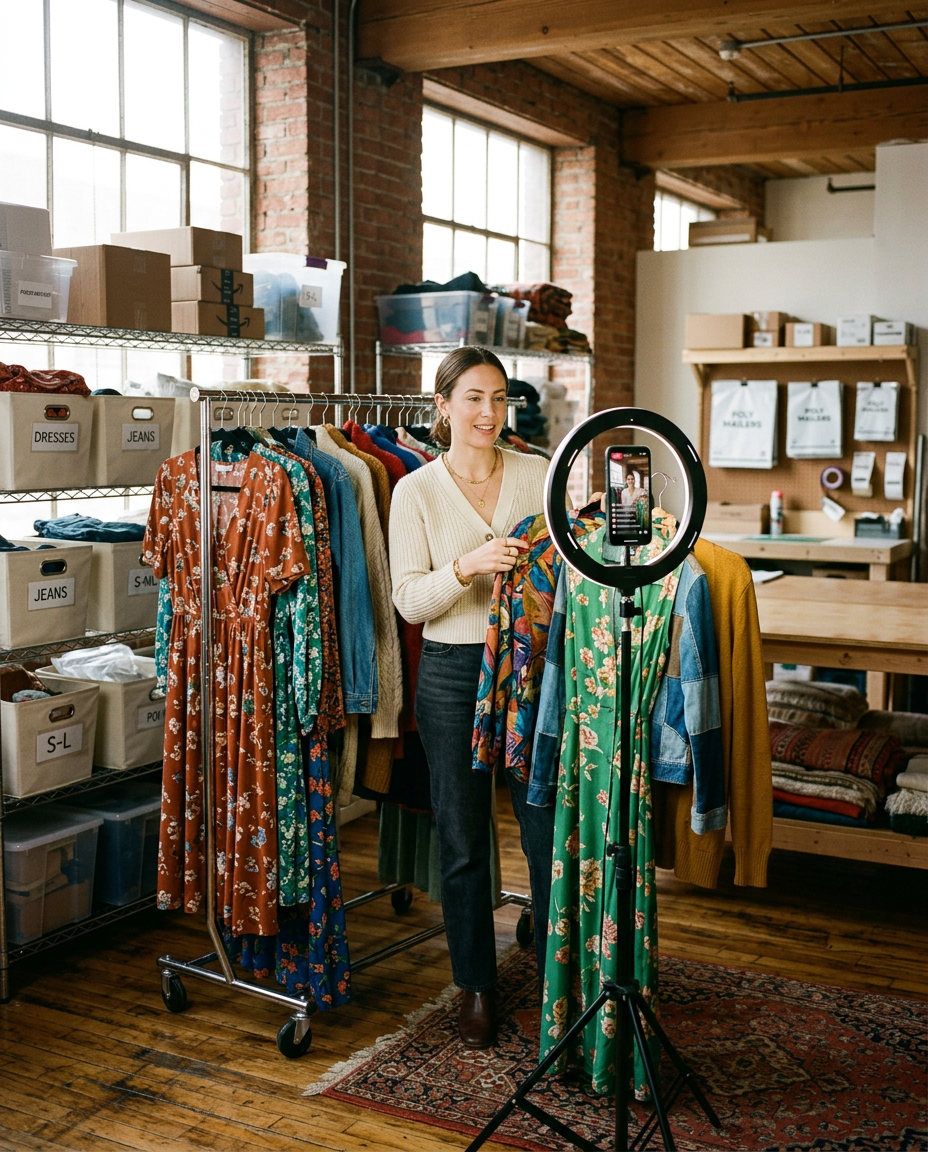
When you are running four shows a week on Whatnot like I am, you do not have time for surprises. If I pull a pair of Levi's or a Free People slip dress out of a bulk pack and realize there is a giant oil stain under the studio lights, I am losing money in real-time. Bulk sourcing is the only way to scale, but you have to move from 'picking' to 'processing' if you want to stay in the black. Mastering the grading process means you know exactly what is going into your 'bins' and what is destined for the 'dollar starts' pile.
How to Grade Bulk Secondhand Inventory for Resale
Professional grading is the process of assigning a value-based category to every garment based on its condition and marketability. In the wholesale world, this is how we separate the wheat from the chaff so your shop stays stocked with Grade A heat. I look for consistency above all else because a bad batch can ruin your reputation on platforms like eBay or Poshmark.
Defining Inventory Grades
Grade A inventory refers to items in Excellent Pre-Owned Condition (EUPC) or New With Tags (NWT). These items show no visible signs of wear, have all original buttons, and functional zippers. This is the inventory that commands top dollar in the 'coquette' or 'coastal grandmother' niche markets.
Grade B inventory includes garments with minor, repairable flaws. We are talking about small pinholes, light pilling, or missing size tags. While these still sell, you must disclose these flaws during your live show or in your Depop description to avoid disputes.
The Three-Point Inspection Process
To move through a bulk shipment of 100+ items efficiently, you need a repeatable workflow. I never spend more than 45 seconds on an initial grade. If I can't find a flaw in 45 seconds, the customer won't find one in 10 minutes.
- Structural Check: Verify all seams are intact, especially in high-stress areas like the crotch of Levi's denim or the underarms of silk blouses.
- Hardware and Fasteners: Zip and unzip every fly; snap every button. A broken zipper on a vintage Y2K jacket can turn a $50 item into a $5 item instantly.
- Surface Illumination: Move the garment under 5000K daylight-balanced LEDs to scan for hidden stains, 'ghosting' from removed patches, or color bleeding.
Common Quality Pitfalls in Bulk Women's Apparel
When you buy bulk, you are playing a numbers game. Even the best wholesale suppliers will have a 'wash' rate. In a standard premium 50-pound bale of women's vintage and modern mix, expect a ratio of roughly 85% Grade A and 15% Grade B or C. If your 'salvage' rate climbs above 20%, your sourcing cost per item effectively doubles.
Hardware Failures in Y2K Trends
Specific eras have specific problems. When I'm grading Y2K-era items from brands like Bebe or Juicy Couture, I pay extra attention to the elastic and the hardware. Elastic dry rot is real, and it can happen to the best-looking pieces if they were stored in a hot warehouse. Always give the waistband or the straps a gentle 'snap' test to ensure the elasticity is still snappy.
Fabric Integrity Under Studio Lights
Light-colored items from Anthropologie or Zara are notorious for hiding 'yellowing' that only appears under the high-intensity lights of a Whatnot studio. I always check collars and cuffs for 'ring around the collar' or deodorant buildup. These are often Grade B items that can be promoted back to Grade A with a quick soak in an oxygen-based cleaner.
Maximizing Profit on Grade B Inventory
Just because it isn't perfect doesn't mean it isn't profitable. Some of my biggest 'steal' moments on live shows come from being honest about Grade B items. Resellers often use these as 'bundle builders' or 'giveaways' to drive engagement and shipping efficiency.
- Visible Flaw: Disclose and discount by 40-60% of the Grade A market value.
- Missing Tags: Use measurements as the primary selling point to maintain buyer confidence.
- Minor Pilling: Use a fabric shaver to 'restore' the item to Grade A status before listing.
Essential Tools for Professional Grading
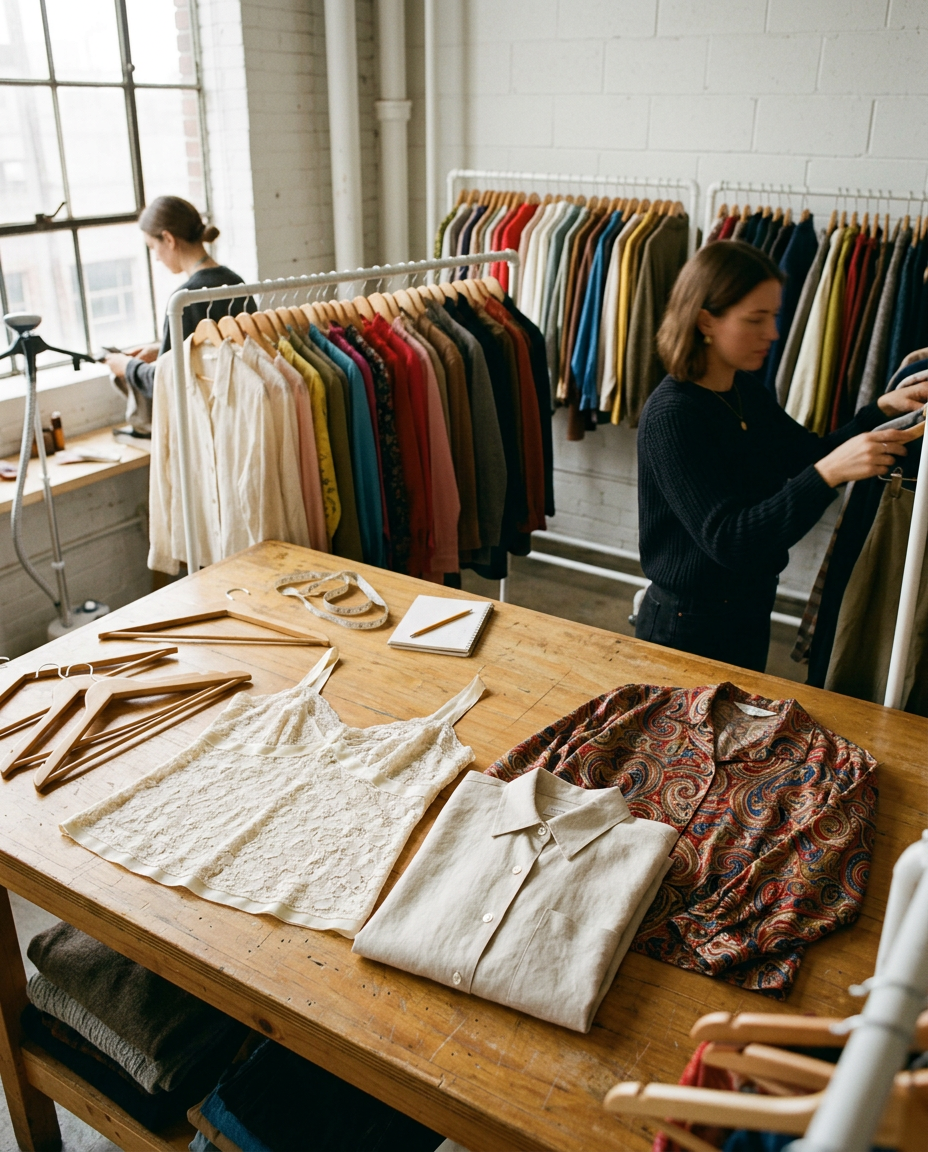
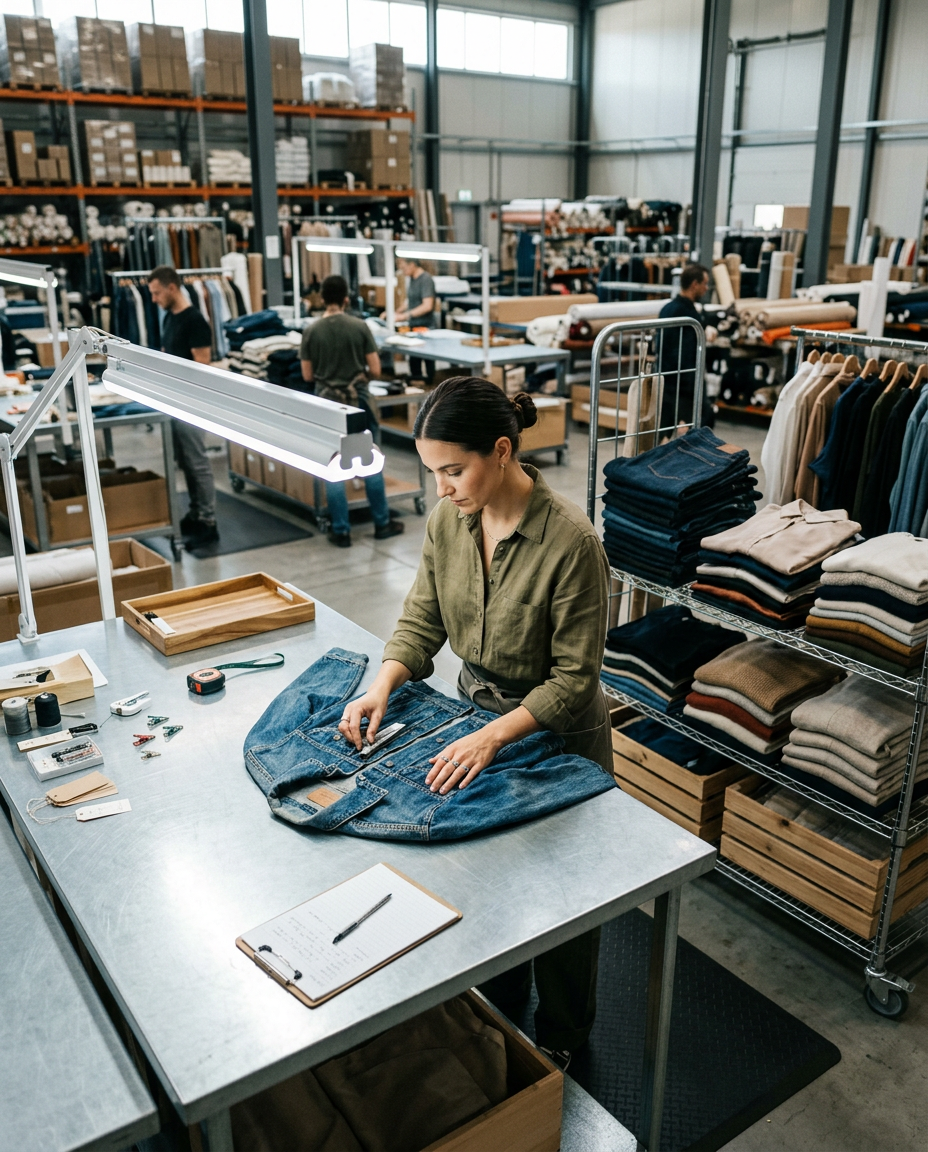
Setting up a dedicated grading station will change your life. You need a high-table surfaces so you aren't hunching over boxes. If you are grading denim, you need a sturdy rail. If you are grading dresses, you need a dress form to check how the fabric drapes and if there is any hidden hem damage.
Grading Station Checklist
- Daylight-balanced LED overhead lighting (5000K-6000K).
- High-speed fabric steamer for wrinkle removal and fiber expansion.
- Precision measuring tape for pit-to-pit and length measurements.
- Standardized grading stickers (Red for flaw, Green for ready).
Grading and quality-checking bulk secondhand women's apparel isn't just about finding holes; it's about protecting your brand. When your buyers know that a 'Devon Ray' Grade A item is truly flawless, they will bid higher and more often. Bulk sourcing is the engine, but quality control is the steering wheel.
What is the difference between Grade A and Grade B bulk clothing?+
Grade A clothing is in near-perfect condition with no visible flaws, while Grade B includes items with minor issues like pilling, small stains, or missing buttons.
How do you check for dry rot in vintage clothing?+
To check for dry rot, gently tug on the fabric; if it makes a cracking sound or tears easily like paper, the fibers have deteriorated and the item is salvage only.
Is bulk sourcing worth it for small resellers?+
Yes, bulk sourcing significantly lowers your cost of goods, but it requires a strict process for grading and quality-checking bulk secondhand women's apparel to ensure margins stay high.
What brands have the best resale value in bulk shipments?+
High-demand brands like Levi's, Free People, Anthropologie, and vintage Y2K labels consistently perform well across Whatnot and Poshmark when they pass Grade A inspection.
Full-time live seller running 4 shows a week focused on Y2K, denim, and dresses.