Mastering the Intake: The Art of Quality-Checking Bulk Secondhand Apparel
- A standardized three-tier grading system prevents overpricing damaged goods and protects boutique reputation.
- Lighting is the most critical tool for identifying faint stains, moth holes, and fabric thinning in secondhand textiles.
- Evaluating seam integrity and hardware functionality is mandatory before any garment enters the sales floor or live stream.
- Successful curators maintain a maximum 5% defect rate in Grade A inventory to ensure high customer satisfaction scores.
- Documenting flaws during the intake process allows for transparent descriptions on marketplaces like eBay and Whatnot.
Professional grading and quality-checking bulk secondhand women's apparel requires a systematic inspection of structural integrity, aesthetic condition, and brand relevance to determine the resale value of each garment. We do not simply open a bale and begin steaming; we analyze each piece for its place in the shop’s visual story. Whether we are processing a case of contemporary basics or curated vintage, our protocol ensures that every item meets high-margin standards. We look for pieces that align with current aesthetics like the "coastal grandmother" look or "Y2K" trends while filtering out items that do not meet the quality floor for a brick-and-mortar environment.
How do you establish a grading standard for secondhand clothing?
We categorize every item into one of three distinct tiers during our intake process. This classification determines whether the item goes to the front-of-house racks, a discounted "as-is" bin, or to our bulk textile recycling partner. In a typical wholesale case of 100 items, we look for a distribution of 85% Grade A inventory to maintain healthy margins.
- Grade A (Near Mint/Excellent): These items show no visible signs of wear. They possess original colors, intact labels, and working hardware. Brands like Free People or Anthropologie in this category command full resale price.
- Grade B (Good/Play-wear): These garments have minor, treatable flaws. This includes slight pilling, missing buttons, or faint washable marks. These are often diverted to live sales on Whatnot where high volume offsets lower individual prices.
- Grade C (Salvage/Damaged): Items with significant fading, structural holes, or broken zippers. Unless the piece is a highly sought-after vintage Levi's 501 with a desirable "distressed" look, these are removed from inventory.
What tools are necessary for a resale quality-check station?
We believe the human eye is the best tool, but it must be supported by the right environment. Every intake station in our warehouse is equipped with high-CRI (Color Rendering Index) LED lighting to mimic natural sunlight. This is essential for spotting yellowing in the underarm areas of white blouses or salt stains on winter coats.
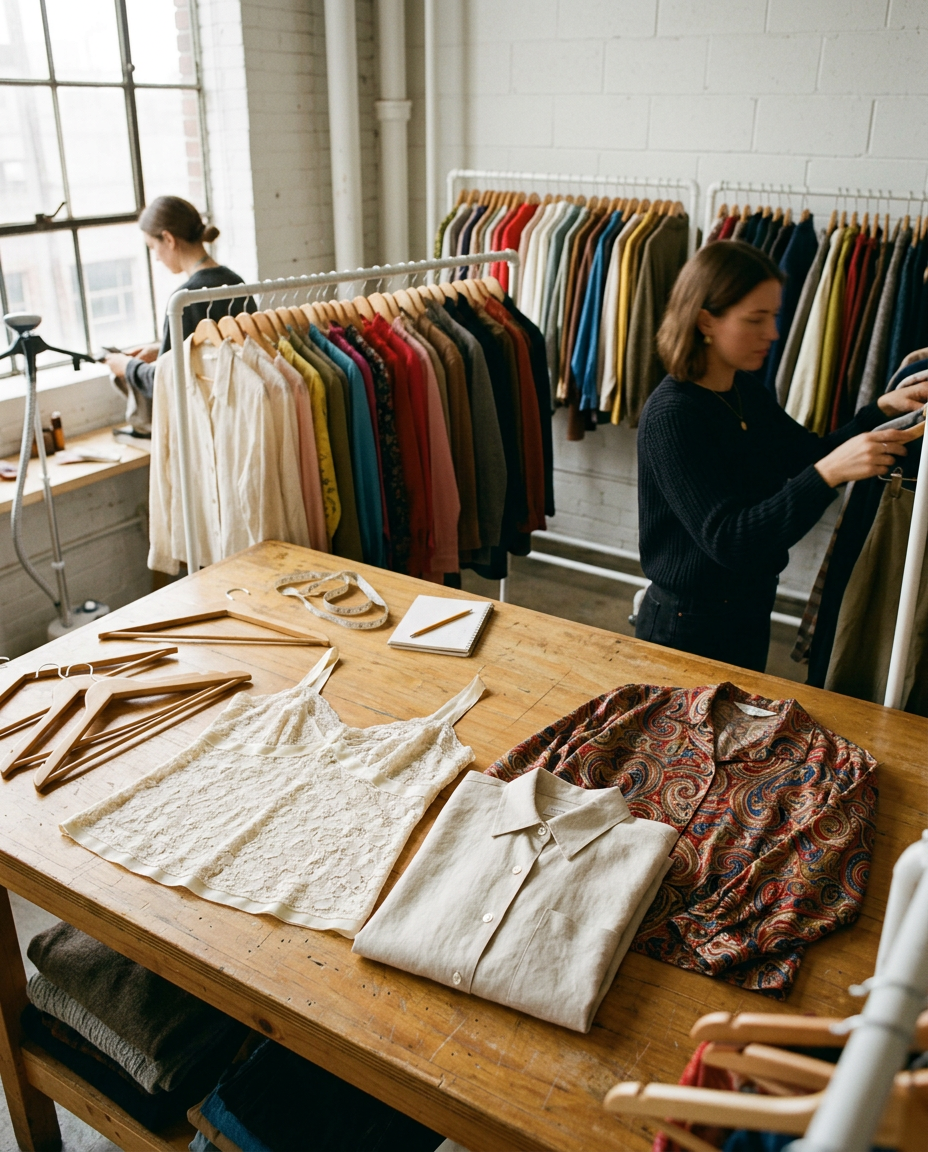
We utilize a high-powered handheld steamer to release wrinkles, which often reveals hidden fabric pulls or small snags that were masked by texture. Our team also keeps a specialized thread nipper, a fabric shaver for pilling, and a variety of stain removal pens at the ready. A magnifying loupe is frequently used to verify the authenticity of designer tags or to inspect the weave of delicate silks and linens.
What is the step-by-step process for inspecting bulk garments?
- The Tactile Scan: High-quality grading starts with touch. We run our hands over the fabric to detect hidden thinning, stiff spots that indicate heat damage, or sticky residue from old price tags.
- The Seam Stress Test: We gently pull at the side seams and armholes to check for thread rot or "seam slippage," common in older Zara or H&M pieces.
- Hardware Lifecycle Check: Open and close every zipper twice. Check for missing teeth and ensure the slider moves smoothly. Test all snaps and buttons for secure attachment.
- Lining and Interior Inspection: Turn the garment inside out. Some of the worst damage occurs in the lining, where sweat and friction degrade the material long before the exterior shows wear.
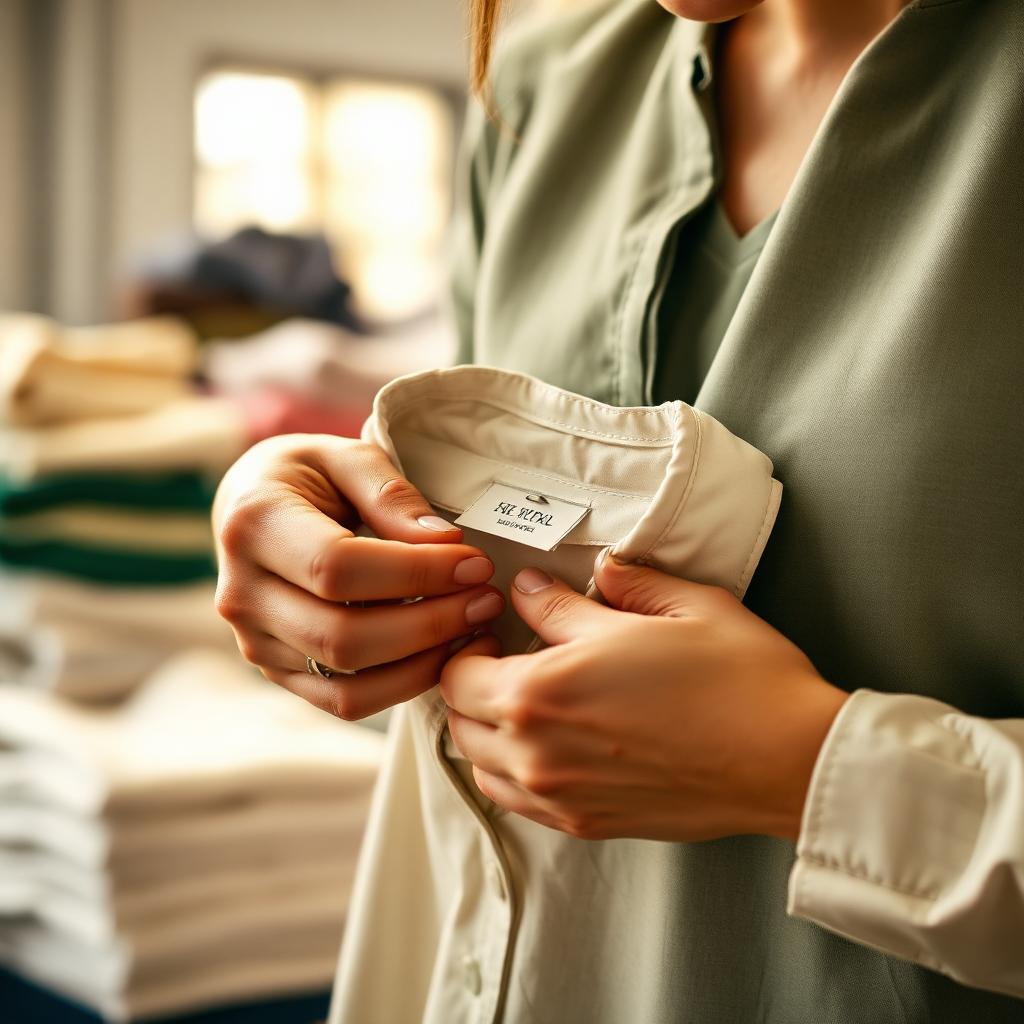
- Brand and Content Verification: Check the care label. We prioritize natural fibers like wool, silk, and organic cotton, as these have higher resale longevity on platforms like ThredUp and Poshmark.
How do you spot hidden defects in vintage and modern apparel?
Vintage items require a more nuanced approach than contemporary pieces. When we look at Y2K-era synthetics, we check for "dry rot," where the elastic in waistbands or spandex blends has become brittle and snaps when stretched. For modern brands, we look for "puckering" at the seams, which indicates the garment was washed or dried at a temperature too high for its fiber content.
We also pay close attention to the "hand feel" of the fabric. High-quality cashmere should feel substantial, not thin or overly fuzzy. If a garment feels unusually light for its claimed material, we flag it for further verification. We have found that approximately 12% of bulk shipments may contain items with minor defects that were missed during initial sorting at the source; our job is to be the final filter for the customer.
Why is pacing important during the quality-check process?
Visual pacing is not just for the showroom floor; it must exist in the intake workflow. We process items in batches of twenty to prevent "grading fatigue." Grading and quality-checking bulk secondhand women's apparel is mentally taxing work that requires constant attention to detail.
If the intake team moves too quickly, they might miss a missing belt loop on a pair of high-rise trousers or a faint bleed of dye on a patterned dress. We find that a rate of 40 to 50 items per hour per inspector allows for both speed and accuracy. This ensures that the inventory we list on eBay or stock in our boutiques is consistent, building trust with our community and reducing the rate of returns due to "item not as described."
What is the most common miss when grading bulk secondhand clothing?+
The most common oversight is failing to check the interior lining and armpits for yellowing or structural tears. Always turn garments inside out during the inspection process to ensure the piece is truly Grade A.
How do you handle items with missing care labels?+
Items without care labels are generally demoted to Grade B unless they are high-end vintage. We use a burn test on a small scrap of hidden thread to identify the fiber content if we must verify natural vs. synthetic for pricing.
Does a small stain automatically make an item Grade B?+
If the stain is smaller than a pencil eraser and located in an inconspicuous area like a hemline, it may still pass as Grade A for some sellers. However, for curated boutiques, any visible stain requires professional treatment or a Grade B classification.
What brands have the highest quality consistency in bulk cases?+
Contemporary brands like Madewell, Eileen Fisher, and Patagonia tend to have high structural durability, making them easier to grade quickly compared to fast-fashion labels which require more scrutiny.
Should I wash every item before grading?+
No, you should grade before laundering to identify which items are worth the utility cost of cleaning. Grade and quality-check bulk secondhand women's apparel first, then allocate cleaning resources only to Grade A and high-value Grade B pieces.
Owns two curated resale boutiques in the Southeast, buys 200+ TVF cases a year.