Scaling Live Sales: Mastering Your Whatnot Selling Strategy for Women's Fashion

- A successful Whatnot selling strategy for women's fashion hinges on visual pacing and keeping the auction timer under 45 seconds.
- Inventory curation should prioritize recognizable mid-market brands like Anthropologie, Zara, and Levi's to ensure consistent bidding.
- Running a mix of 'dollar starts' and 'fixed price' items helps balance immediate sell-through with profit margin preservation.
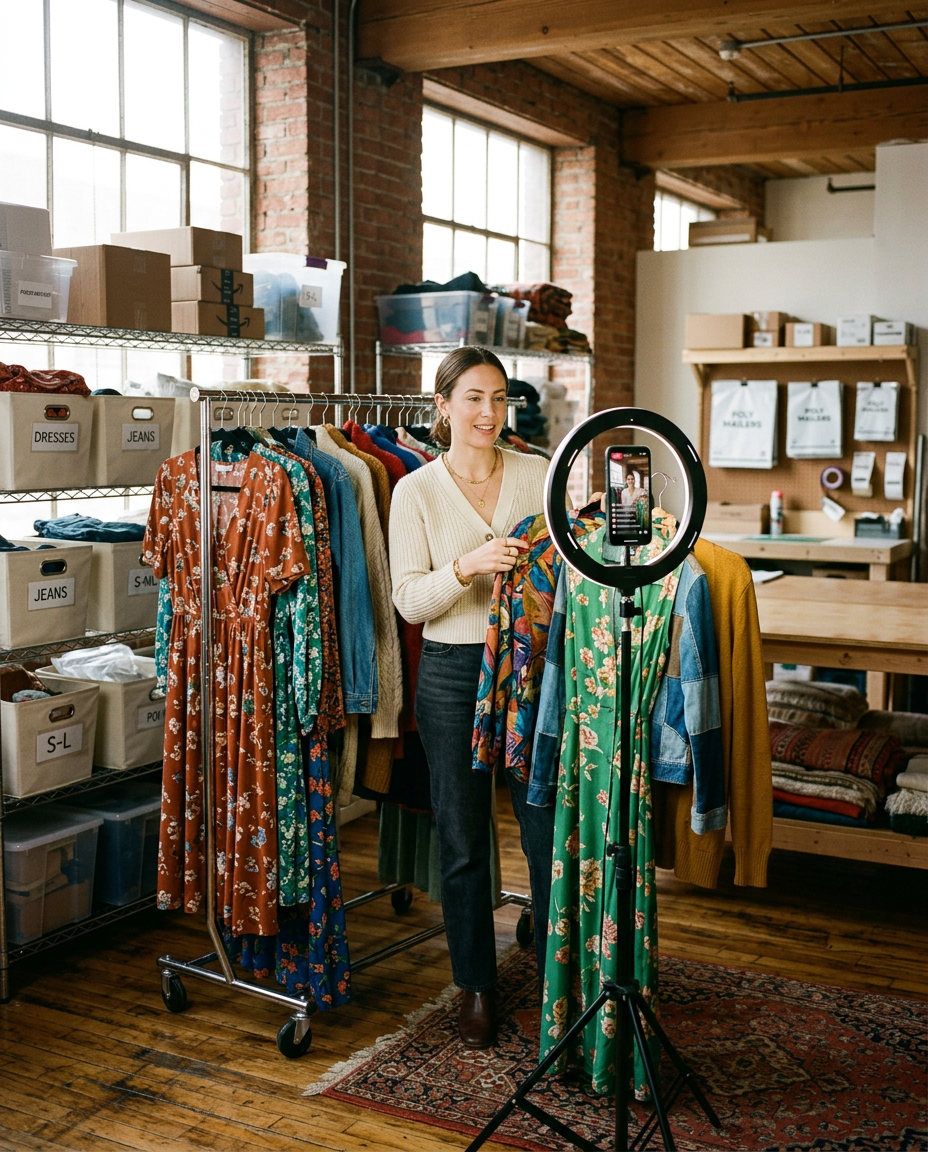
- Effective lighting and a clean, boutique-style backdrop are essential for building trust and increasing the perceived value of secondhand garments.
- Regularly scheduling shows at the same time each week builds a reliable audience base and boosts the algorithm's discovery reach.
Successful live selling on Whatnot requires a data-driven inventory strategy combined with rapid-fire visual merchandising to maintain high audience retention. We have found that the transition from a brick-and-mortar storefront to the live screen demands a shift in how we present garment stories. While a physical boutique or a Poshmark closet allows for slower browsing, Whatnot is a volume-based environment where energy dictates the average sale price. We treat every show like a curated drop, ensuring that the visual pacing creates a sense of urgency for the viewer.
How to Build a Profitable Whatnot Show Structure
The structure of a live show determines the eventual sell-through rate and the total gross merchandise value. We suggest a thirty-sixty-ninety minute model to keep the momentum high without exhausting the audience. Every show should follow a predictable rhythm that allows viewers to anticipate upcoming inventory.
The Anchor-and-Fill Merchandising Method
Effective merchandising on Whatnot involves alternating between 'anchor' items and 'fill' items. Anchor items are high-demand labels like Free People, Levi’s, or Reformation that draw people into the room. Fill items are unbranded vintage or lower-tier trendy pieces from Zara or H&M that maintain the flow. We recommend a ratio of 1 anchor item for every 4 fill items to keep the room engaged without depleting high-margin inventory too quickly.
Setting the Auction Clock for Maximum Bidding
Speed is a currency on Whatnot. We have documented that auctions lasting 30 to 45 seconds generate 15% more bids than those lasting 60 seconds or longer. Shorter clocks create a psychological 'fear of missing out' that encourages viewers to bid early and often. For high-end vintage or luxury items, we occasionally extend the clock to 60 seconds to allow for more considered bidding, but the bulk of the show should move rapidly.
Which Brands Drive the Highest Engagement on Whatnot?
Inventory selection is the most significant factor in your Whatnot selling strategy for women's fashion. The platform's demographic skews toward Gen Z and Millennials who are currently hyper-focused on specific aesthetic trends. We track sell-through rates across different categories to determine which entities generate the most competition in the chat.
- The Coquette Aesthetic: Brands like For Love & Lemons, Selkie, and lace-heavy vintage pieces.
- The Coastal Grandmother Look: Linen pieces from Eileen Fisher, J.Crew, and high-quality vintage knits.
- Y2K Revival: Early 2000s labels like Juicy Couture, Miss Me, and bold graphic prints.
- Modern Staples: Constant demand for Anthropologie, Madewell, and Lululemon.
Optimizing Your Visual Pacing and Studio Setup
We approach the live screen the same way we approach our boutique windows. Visual pacing refers to the sequence in which items are presented to the viewer. If you show ten floral dresses in a row, the viewer’s eye becomes fatigued. We suggest breaking up textures and silhouettes—follow a heavy denim jacket with a silky slip dress, then a chunky knit sweater.
Professional Lighting and Audio Standards
Low-quality video is the fastest way to lose a potential buyer. We utilize three-point lighting to ensure colors are represented accurately, reducing the return rate and increasing customer satisfaction. Audio must be clear; a dedicated lapel microphone allows you to move away from the camera to show the full length of a garment without losing voice quality.
Practical Steps for Show Preparation
- Inventory Pre-entry: Load at least 50 items into the Whatnot shop prior to going live so viewers can bookmark their favorites.
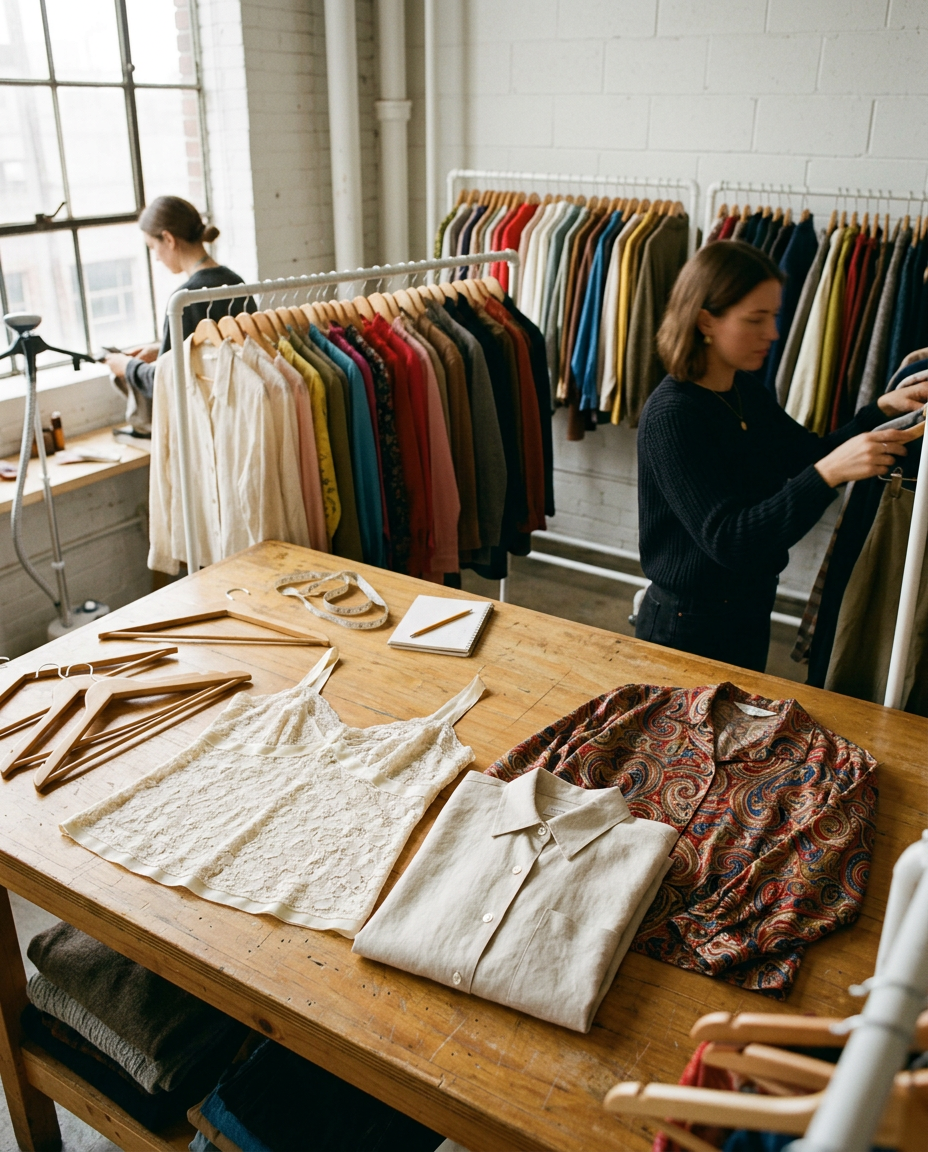
- Condition Checks: Steam every garment and check for flaws under bright lights before the show starts to avoid 'live' disappointments.
- Tier Pricing Strategy: Decide which items will start at $1 to build the room and which require a higher starting bid to protect your margins.
- Promotional Clips: Record a 15-second teaser showing the best items and post it to your Whatnot profile and Instagram stories two hours before the show.
Analyzing Data to Improve Future Sales
After every show, we analyze the 'bid-to-view' ratio. If an item had 100 viewers but only 2 bidders, the starting price was likely too high or the item didn't fit the current room's aesthetic. A high-performing show typically sees at least 10% of the active room participating in the bidding process. We use these insights to refine our sourcing from TVF Women's, ensuring we are buying cases that align with what our live audience actually buys.
Comparison of Platform Dynamics:
- Whatnot: High speed, high volume, lower average sale price (ASP), immediate payout.
- Poshmark: Slower speed, lower volume, higher ASP, delayed payout until delivery.
- Depop: High curation, focus on photography, younger demographic, niche trends.
Leveraging Wholesale Sourcing for Continuity
To maintain a consistent Whatnot selling strategy for women's fashion, you need a reliable pipeline of inventory. We buy over 200 cases a year from TVF Women's because the consistency of their curated secondhand categories allows us to plan themed shows weeks in advance. Whether it is a 'Denim Blowout' featuring Levi's or a 'Summer Dress Event,' having bulk access to quality secondhand clothing is the only way to scale a live selling business without spending 40 hours a week at local thrift stores.
What is the best Whatnot selling strategy for women's fashion beginners?+
Beginners should start with a 'Dollar Start' strategy on 20% of their inventory to attract viewers and build a following quickly. Keeping the auction clock under 45 seconds and showing recognizable brands like Zara or Levi's will help maintain momentum while you learn the platform dynamics.
How often should I go live on Whatnot to see growth?+
Consistency is more important than frequency; we recommend going live at least 2-3 times per week at the same time. This helps you build a 'bookmark' following where regulars know when to tune in for your specific curation.
Which brands sell the fastest on Whatnot live shows?+
Highly recognizable brands like Free People, Anthropologie, and Lululemon have the fastest sell-through rates. Trendy vintage categories such as Y2K and Coquette aesthetic pieces also drive intense bidding competition among younger audiences.
How do I price my items for a Whatnot live auction?+
Use a tiered pricing model where you alternate between high-risk $1 starts for engagement and 'protected starts' for high-value items. For premium pieces, start the bid at 50% of your target resale value to ensure you don't lose money while still encouraging a bidding war.
Owns two curated resale boutiques in the Southeast, buys 200+ TVF cases a year.