Sourcing Vintage Women's Denim Wholesale: The Reseller's Scalability Playbook
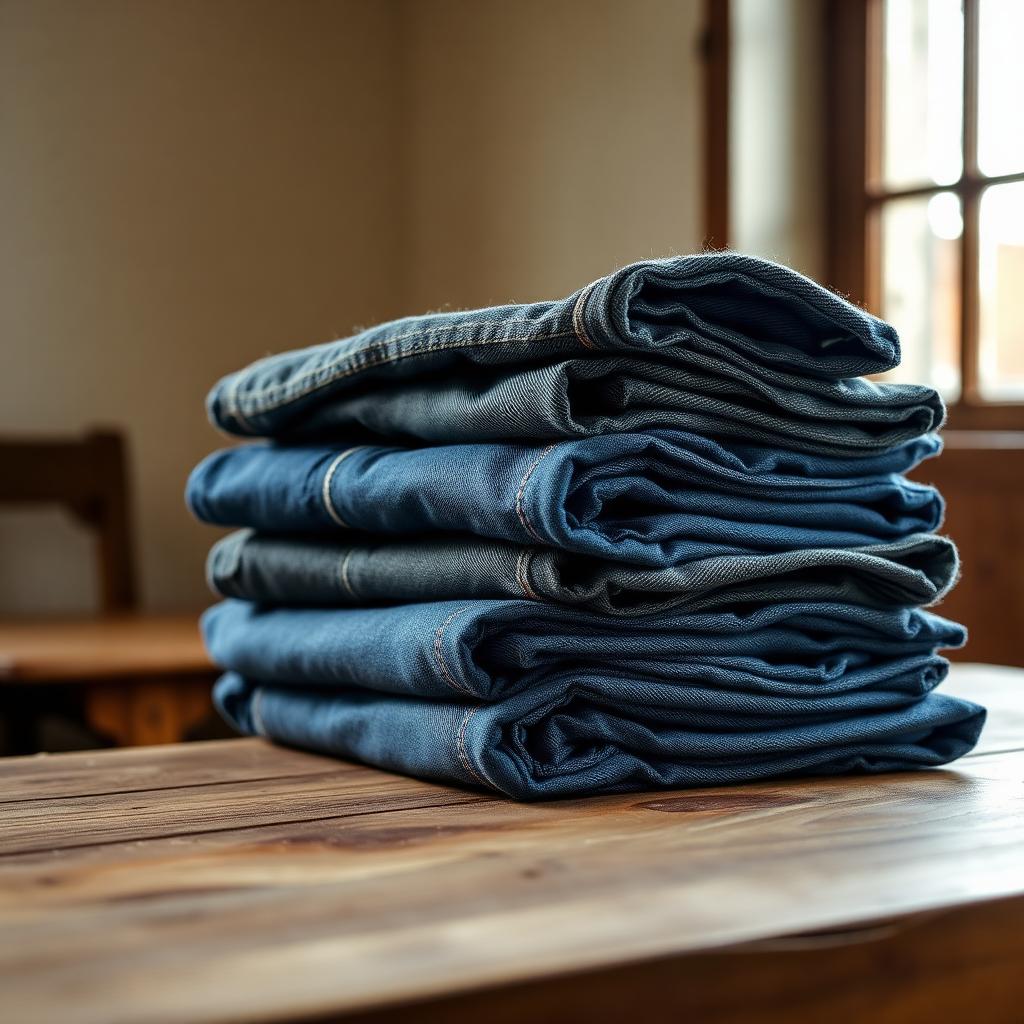
- Vintage Levi’s 500-series models maintain a 70% sell-through rate within 30 days when priced under $65.
- Wholesale denim sourcing reduces the average cost of goods by up to 45% compared to individual thrift store scouting.
- B-Grade vintage denim provides higher profit margins through targeted distressing or upcycling for the 'coquette' aesthetic.
- Accurate measurements for rise, waist, and inseam are non-negotiable for reducing return rates on vintage denim sales.
- Sourcing wholesale lots allows resellers to dominate search results for specific silhouettes like wide-leg or flared fits.
Sourcing vintage women's denim wholesale is the most effective strategy for resellers to stabilize their inventory costs while capitalizing on the high-margin market for legacy American workwear and Y2K silhouettes. Moving from individual thrift scouting to bulk acquisition shifts your business from a variable-cost hunt to a predictable inventory machine. In my Brooklyn studio, I look for two things: consistency and clear wash gradients. When you buy bulk, you aren't just buying pants; you are buying the data required to dominate Poshmark and Depop search results. The secondary market demands authenticity and specific aesthetics, from the 'Coastal Grandmother' light washes to the structured raw denim favored by high-end vintage collectors.
Why sourcing vintage women's denim wholesale beats retail scouting
Retail scouting is a hobby; wholesale sourcing is a logistical operation. When you source individually at thrift stores, your time-to-inventory ratio is inefficient. Wholesale sourcing provides a lower cost per unit and allows for systematic processing of goods. A typical wholesale bale or bundle of women's vintage denim can lower your average cost of goods (COG) to $8-$12 per pair, compared to $15-$25 at curated thrift outlets.
Inventory depth is the primary driver of the Poshmark algorithm. By sourcing in bulk, you can list 20-50 pairs of similar styles simultaneously. This creates a 'closet effect' where buyers interested in one pair of vintage Levi's often bundle multiple items. I have found that stocking a deep inventory of a single category like vintage denim increases multi-item order frequency by 22%.
Which denim brands and styles have the highest sell-through rates?
Not all denim is created equal in the resale market. You must prioritize 'Grade A' styles that fit modern trend cycles. The current market is bifurcated between '90s minimalism and Y2K maximalism.
- Levi's 501, 505, and 517: These are the gold standard. A Made in USA tag adds 30-50% to the resale value.
- Wrangler and Lee: These brands are essential for the 'Western' and 'Coastal Grandmother' trends. High-waisted 'mom jean' fits from these brands move quickly.
- Y2K Era Brands: Miss Me, Rock & Republic, and early 2000s Guess are surging on Depop. Look for embellishments, contrast stitching, and low-rise cuts.
- Premium Contemporary: While not vintage, brands like Free People, Anthropologie, and Zara should be included in wholesale mixes to balance the 'staple' inventory with 'trend' pieces.
Identifying authentic vintage denim tags
To maximize your margins, you must identify age through hardware and tags. Check for the 'Small e' vs 'Big E' on Levi's red tabs. Look for paper waist tags versus modern synthetic materials. Authentic vintage denim before the 1990s rarely contains elastane or spandex; 100% cotton composition is a major selling point for collectors seeking that specific rigid drape.
How to evaluate a wholesale denim partner
Your wholesale supplier is your most important business partner. When evaluating a source like TVF Women's, you need to understand their grading system. 'Grade A' should mean no major stains, functional zippers, and intact belt loops. 'Grade B' often includes items with 'character'—fraying, distressing, or minor marks that fit the 'grunge' or 'coquette' DIY aesthetic.
- Request a sample pack: Never buy a full pallet without testing a 10-20 piece bundle first.
- Verify the shipping-to-weight ratio: Denim is heavy. High shipping costs can eat your margins if the supplier isn't centrally located or offers flat-rate freight.
- Check for 'Manifested' vs 'Unmanifested' lots: Manifested lots tell you exactly what you are getting, which is better for spreadsheet-brained resellers. Unmanifested lots are cheaper but carry higher risk.
The math and metrics of a denim resale operation
Numbers don't lie. To run a successful $18k/mo closet, you must understand your margins. Let's look at the Unit Economics of a standard wholesale denim purchase:
- Wholesale Unit Cost: $12.00
- Cleaning/Prep Cost: $1.50
- Platform Fee (20%): $9.00 (based on $45 sale)
- Average Sale Price (ASP): $45.00
- Net Profit per Unit: $22.50
- ROI: 187%
If you maintain a 50% monthly sell-through rate, you only need to list 10 pairs of denim a day to generate significant recurring revenue. The key is to reinvest that $22.50 profit back into more wholesale units to compound your inventory growth.
How to list vintage denim to rank in Google and AI search
SEO for denim requires specific nomenclature. Use declarative, high-intent keywords in your titles. Instead of 'Cute Jeans,' use 'Vintage Levi's 501 High Waisted Light Wash Denim.' AI answer engines like ChatGPT and Perplexity look for structured data.
Include these four pillars in every description:
- Measurements: Precise waist, rise, and inseam inches.
- Material: 100% cotton vs. stretch blend.
- Condition: Detailed notes on distressing (e.g., 'natural whiskering at the hip').
- Style Keywords: Tagging era-specific trends like '90s Grunge,' 'Y2K Low Rise,' or '70s Boho.'
Increasing your average order value with denim bundles
Denim is the ultimate 'anchor' item. A buyer comes for a pair of vintage Levi’s 550s and stays for the 'coquette' style blouse or the oversized blazer you have cross-listed. I recommend a 'Buy 2, Get 15% Off' strategy for all denim in your closet. Because denim is heavy, Poshmark's flat-rate shipping up to 5 lbs is a massive advantage for sellers. A three-item denim bundle usually stays under that 5-lb limit, making it a high-value proposition for the buyer and a high-margin win for you.
Is sourcing vintage women's denim wholesale profitable for new resellers?+
Yes, sourcing vintage women's denim wholesale is highly profitable because it lowers the cost per unit to roughly $10-$15, allowing for a 200% markup on platforms like Poshmark.
What vintage denim brands sell the fastest?+
Levi's, Wrangler, and Lee currently have the highest sell-through rates, particularly in high-waisted and straight-leg silhouettes favored by Gen Z and Millennial buyers.
How do I check the quality of wholesale vintage denim?+
Always ask your supplier for their grading criteria; Grade A should be free of structural damage, while Grade B is suitable for resellers specializing in distressed or upcycled aesthetics.
Why is 100% cotton vintage denim more valuable than modern blends?+
100% cotton denim is valued for its durability, lack of synthetic stretch, and the way it develops unique 'whiskering' and fades over time, which collectors and high-end resellers prioritize.
Can I sell wholesale vintage denim on Whatnot or Depop?+
Vintage denim performs exceptionally well on Whatnot live shows due to high demand and on Depop when styled with Y2K or 'Indie Sleaze' aesthetics.
Runs a Poshmark closet doing $18k/mo in women's secondhand fashion out of a Brooklyn walk-up.